
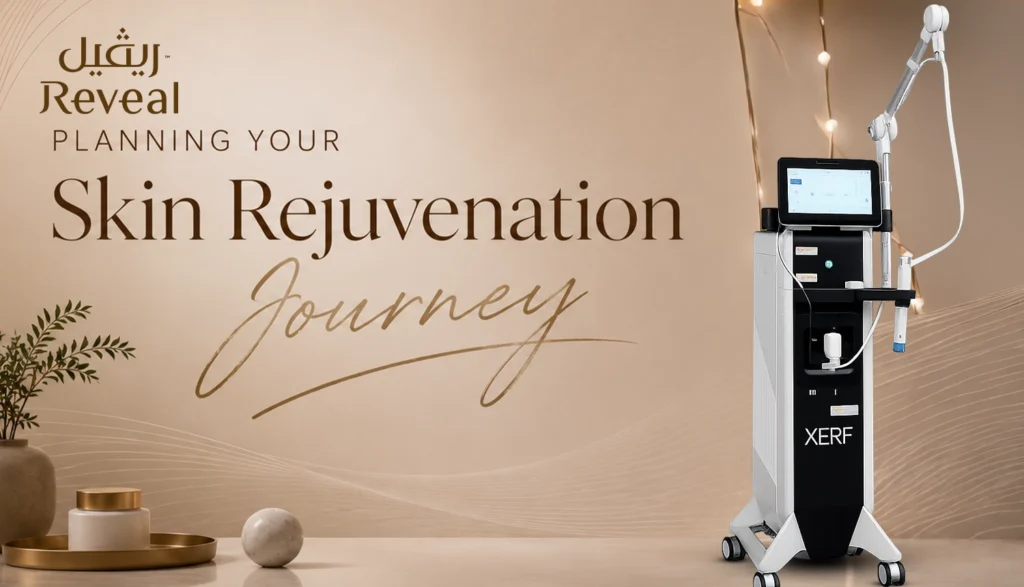
دليل بإشراف طبي حول كيفية إعداد خطط العلاج المتتابعة في الرياض، ولماذا تختلف مسارات العلاج من حالة لأخرى.
تختلف عملية شيخوخة الجلد من شخص لآخر؛ فبينما يلاحظ بعض المرضى في البداية ظهور خطوط سطحية دقيقة ودرجة طفيفة من ارتخاء الجلد، ينصبّ اهتمام آخرين بشكل أكبر على فقدان الحجم، أو تغير ملامح الوجه وتحديداته، أو جودة البشرة بشكل عام. ونظراً لهذا التباين، لا يوجد علاج أو بروتوكول واحد يحقق النتائج ذاتها لدى الجميع، ولا ينبغي لأي عيادة مرموقة أن تدعي خلاف ذلك.
في عيادة ريفيل الرياض، غالباً ما يسأل المرضى عما إذا كان معالجة XERF و PLLA (سكولترا) يمكن الجمع بينهما كجزء من رحلة العناية الجمالية، وتحديداً فيما يتعلق بإمكانية استخدام PLLA في مرحلة لاحقة بعد XERF. إنه تساؤل وجيه وشائع بشكل متزايد، لا سيما وأن كلتا التقنيتين تعتمدان على مبدأ تحفيز الكولاجين، إلا أنهما تؤثران في الجلد بطرق مختلفة جوهرياً.
أُعِدَّ هذا الدليل ليوفر للمرضى في الرياض ومختلف أنحاء دول مجلس التعاون الخليجي فهماً واضحاً ومستنداً إلى أسس طبية لكيفية تفكير الأطباء بشأن... تجديد البشرة المتسلسل — لا بوصفها حزمة علاجية ثابتة، بل كعملية مخصصة لكل حالة على حدة، ترتكز على التقييم والتوقيت والتقدير السريري. فالأمر لا يتعلق بمقارنة لتحديد "أي العلاجين أفضل"، ولا يعني بالضرورة أن كل مريض يحتاج إلى كلا العلاجين أو أنه ينبغي إجراؤهما في اليوم نفسه؛ بل يوضح هذا النهج المنطق السريري الذي يتبعه الأطباء عند تقييم مدى ملاءمة استراتيجية تعتمد على مراحل متتابعة — تبدأ باستخدام XERF وقد يتبعها لاحقاً استخدام PLLA (Sculptra) — بما يتناسب مع طبيعة بشرة المريض وأهدافه المحددة.
ما هي XERF؟
باختصار، يوصل جهاز XERF موجتين من التردد الراديوي - عادةً ما تكونان بحدود 6.78 ميجاهرتز و2 ميجاهرتز - في جلسة واحدة، مستهدفاً كلاً من الطبقة السطحية الأدمة والأنسجة الضامة العميقة التي تدعم الجزء السفلي من الوجه وخط الفك والرقبة. ويُعتقد أن هذا يحفز الخلايا الليفية ودعم الإنتاج التدريجي للكولاجين والإيلاستين، مما يساهم في تحسين ارتخاء الجلد وبشكل عام جودة البشرة متأخر , بعد فوات الوقت.
للحصول على شرح وافٍ حول آلية عمل تقنية XERF، ومجريات الجلسة، وتفاصيل الترشح الكاملة، تفضل بزيارة الصفحة المخصصة لذلك لدى عيادة "ريفيل" (Reveal Clinic) في الرياض. معالجة XERF يركز هذا المقال تحديداً على كيفية اندماج XERF ضمن رحلة أوسع لتجديد شباب البشرة يخطط لها الطبيب.
ما هي مادة PLLA (سكولترا)؟
بلا، أو بولي-إل-حمض اللاكتيكمادة PLLA هي مادة قابلة للحقن متوافقة حيوياً وقابلة للتحلل الحيوي، وتُعرف باسمها التجاري Sculptra. على عكس مواد الحشو الجلدية التي تُضيف حجماً فورياً في المقام الأول، تُصنف PLLA على أنها محفز حيوي للكولاجينلا يتمثل دورها في ملء الحيز مباشرةً، بل في تحفيز آليات الجسم الذاتية. إعادة تشكيل الكولاجين تتم المعالجة تدريجياً، على مدى أشهر.
آلية العمل: عند حقن الجسيمات الدقيقة من مادة PLLA في الطبقة العميقة من الأدمة أو في النسيج تحت الجلدي، فإنها تعمل بمثابة سقالة تحفز تدريجياً استجابةً مضبوطةً تتضمن الالتهاب ونشاط الخلايا الليفية؛ مما يشجع الخلايا الليفية على تخليق مواد جديدة. كولاجين مع مرور الوقت؛ ونظراً لأن مادة PLLA تُمتص ببطء من قِبَل الجسم، فإن تحفيز إنتاج الكولاجين - وما يصاحبه من تحسّن في جودة البشرة وزيادة حجمها - يميل إلى التطور تدريجياً عبر جلسات متعددة، بدلاً من الظهور دفعة واحدة.
غالباً ما يضع الأطباء مادة PLLA (Sculptra) في الاعتبار للمرضى الذين يعانون من:
- فقدان الحجم المرتبط بطبقة الدهون في الوجه والتغيرات الهيكلية المرتبطة بـ الشيخوخة الصحية
- متضاءل مرونة الجلد ورقة عامة في سماكة الأدمة
- الرغبة في تحسن تدريجي وطبيعي المظهر في امتلاء الوجه وجودة البشرة على مدار عدة أشهر.
نظراً لأن مادة PLLA تعمل على مستوى بيولوجي أعمق وتظهر نتائجها تدريجياً على مدى فترة زمنية ممتدة، فإن الأطباء يخططون عادةً للعلاج بها كـسلسلة من الجلسات تفصل بينها عدة أسابيع، مع استمرار تطور تأثيرات تحفيز إنتاج الكولاجين لأشهر عديدة بعد الجلسة الأخيرة. عيادة "ريفيل" (Reveal Clinic) في الرياض PLLA (سكولترا) تستعرض صفحة العلاج خطوات عملية الحقن وما يمكن للمرضى توقعه بشكل عام خلال جلساتهم.
شد البشرة بتقنية الترددات الراديوية في عيادة "ريفيل" بالرياض
نظرة فاحصة على تقنية التردد الراديوي مزدوج التردد المستخدمة لتحفيز الكولاجين والإيلاستين بلطف خلال كل جلسة من جلسات XERF.
لماذا يخطط الأطباء أحياناً للعلاجات على مراحل
فكرة "تجديد البشرة المتسلسللا تهدف الخطة إلى زيادة عدد الإجراءات التي يتلقاها المريض إلى أقصى حد، بل تعكس فلسفة سريرية محددة؛ مفادها أن العلاجات المختلفة تستهدف أنسجة متنوعة وتعمل عبر آليات بيولوجية متباينة، ولذا قد تكون أكثر فاعلية لبشرة المريض عند تطبيقها بفواصل زمنية مناسبة، بدلاً من تكديسها معاً بشكل عشوائي.
هناك عدة أسباب قد تدفع الطبيب إلى التفكير في إجراء كل من XERF وPLLA (Sculptra) على مراحل، بدلاً من الاكتفاء بتوصية بأحدهما فقط أو إجرائهما معاً في آن واحد:
تُعد تقنية XERF في المقام الأول علاجاً يعتمد على الطاقة لشد الجلد وتحسين جودة سطحه، في حين أن مادة PLLA عبارة عن مادة قابلة للحقن تعمل على التحفيز الحيوي في طبقات الجلد العميقة، وتهدف إلى زيادة الحجم ودعم البنية الكولاجينية. وقد يرى الطبيب أن معالجة مشاكل ارتخاء الجلد وملمسه تبدأ بشكل أمثل باستخدام تقنية تعتمد على الطاقة، على أن يتم إجراء تقييم لاحق لتحديد ما إذا كانت هناك حاجة أيضاً لزيادة الحجم أو تعزيز الكولاجين في طبقات أعمق باستخدام مادة PLLA.
نظراً لأن عملية إعادة تشكيل الكولاجين الناتجة عن علاجات الترددات الراديوية (RF) -مثل تقنية XERF- تتطور تدريجياً، فقد يفضل الطبيب مراقبة استجابة بشرة المريض للعلاج على مدار أسابيع أو أشهر؛ وذلك لتحديد ما إذا كان إجراء تحفيز حيوي إضافي باستخدام مادة PLLA سيُحدث فارقاً ملموساً في النتائج، أم أنه يُعد أمراً غير ضروري.
إن أي إجراء يحفز استجابةً لإعادة البناء الحيوي —سواء كان ذلك عن طريق الحرارة أو عبر الحقن المحفز حيوياً— يفرض عبئاً على عمليات الترميم في الجلد. وقد يفضل الأطباء منح الجلد وقتاً كافياً للتعافي وإعادة البناء بعد الخضوع لأسلوب علاجي معين قبل البدء بآخر، لا سيما عندما يعمل كلا العلاجين —وإن بآليات مختلفة— على الأنسجة المسؤولة عن إنتاج الكولاجين.
قد تختلف الأهداف الجمالية للمريض عند زيارته الأولى لعيادة "ريفيل" (Reveal Clinic) في الرياض عنها بعد مرور عدة أشهر، وذلك بمجرد ظهور التحسنات الأولية الناتجة عن علاج "XERF". ويتيح التخطيط المتتابع إمكانية إعادة تقييم خطة العلاج وتعديلها في كل مرحلة، بدلاً من الالتزام بحزمة علاجية ثابتة ومتعددة الجلسات منذ البداية.
للتوضيح: لن يُنصح كل مريض يخضع لإجراء XERF بالخضوع لعلاج PLLA بعد ذلك. بالنسبة للعديد من المرضى، قد يكون العلاج بتقنية XERF وحده كافياً، وربما يتم دمجه مع علاجات أخرى. شد الجلد أساليب مثل الالثيرا أو محول فائق MPT...قد يعالج مخاوفهم بشكل كامل. ولا يُتخذ قرار استخدام مادة PLLA في مرحلة لاحقة إلا بعد إجراء إعادة تقييم سريري من قِبَل طبيب في عيادة "ريفيل" (Reveal Clinic) بالرياض.
كيف يختلف تحفيز الكولاجين بين العلاجين
على الرغم من أن كلاً من XERF وPLLA يوصفان بشكل متكرر بأنهما "تحفيز الكولاجين...العلاجات؛ فهي تحقق ذلك عبر مسارات بيولوجية متميزة، وهذا سبب رئيسي يدفع الأطباء إلى تقييمها بشكل منفصل بدلاً من التعامل معها كخيارات قابلة للتبادل.
| ميزة | زيرف | PLLA (سكولترا) |
|---|---|---|
| فئة | جهاز يعتمد على الطاقة (ترددات راديوية أحادية القطب) | محفز حيوي للكولاجين قابل للحقن |
| الآلية الأساسية | تعمل الطاقة الحرارية المُتحكَّم فيها على تحفيز نشاط الخلايا الليفية في طبقة الأدمة والأنسجة الضامة العميقة. | تحفز الجسيمات الدقيقة القابلة للتحلل الحيوي استجابةً تدريجية لبناء الكولاجين بواسطة الخلايا الليفية. |
| عمق الأنسجة | من الطبقة السطحية إلى العميقة من الأدمة والأنسجة الضامة الهيكلية (على مستوى نظام الجهاز العضلي السطحي - SMAS، وذلك حسب الإعدادات) | الأدمة العميقة والنسيج تحت الجلد |
| التركيز المعتاد | شد الجلد، وتحسين ملمسه، وعلاج الترهل البسيط إلى المتوسط | دعم الحجم وكثافة هيكلية أعمق للكولاجين |
| بداية ظهور تغيير ملموس | تدريجي، على مدار عدة أسابيع تلي الجلسة | تدريجي، على مدى عدة أشهر وجلسات متعددة |
| هيكلية الجلسة | غالباً ما تكون جلسة واحدة أو جلسات محدودة، وأحياناً تتضمن جلسات صيانة. | عادةً ما يتم تنفيذها على مراحل عبر جلسات متعددة تفصل بينها أسابيع. |
إن فهم هذا التمييز مهم لأنه يوضح سبب عدم نظر الطبيب بالضرورة إلى مادة PLLA باعتبارها "المستوى التالي" لـ XERF، أو العكس؛ فهما أداتان مختلفتان تندرجان ضمن فئة أوسع من علاج تحفيز الكولاجين، حيث يلائم كلٌّ منها اعتباراتٍ محددةً على مستوى الأنسجة.
لماذا يُعد توقيت العلاج مهماً؟
السماح للبشرة بإكمال دورة إعادة البناء الخاصة بها.
إن عملية إعادة تشكيل الكولاجين، التي تحفزها طاقة الترددات الراديوية، لا تحدث بشكل فوري؛ إذ تحتاج طبقة الأدمة إلى وقت لتخليق كولاجين وإيلاستين جديدين عقب التحفيز الحراري، وهي عملية قد تستمر لعدة أسابيع. وعادةً ما يفضل الأطباء إتاحة الوقت الكافي لإتمام هذه المرحلة من إعادة التشكيل قبل تقييم ما إذا كان هناك جدوى من إجراء تدخل إضافي.
تجنب الإجهاد غير الضروري للأنسجة.
إن إدخال وسيلة ثانية لتحفيز الكولاجين في وقت مبكر جداً بعد الوسيلة الأولى قد يحول دون التقييم السليم لعملية إعادة تشكيل الأنسجة المرتبطة بأي من العلاجين، كما قد يفرض عبئاً إضافياً على الأنسجة التي لا تزال في مرحلة نشطة من الالتئام وإعادة التنظيم.
إعادة تقييم النتائج بموضوعية.
يتيح الانتظار لفترة زمنية مناسبة للطبيب تقييم النتائج الفعلية لإجراء XERF، بدلاً من اللجوء إلى تكديس العلاجات بشكل استباقي. وتُعد عملية إعادة التقييم هذه -التي غالباً ما تدعمها صور موثقة وفق معايير محددة وجلسة متابعة- هي التي تحدد ما إذا كان استخدام مادة PLLA (Sculptra) يمثل خطوة تالية ملائمة، أم أن هناك وسيلة علاجية أخرى أكثر ملاءمة، أم أنه لا توجد حاجة لمزيد من العلاج في الوقت الراهن.
لا توجد فترة انتظار عالمية موحدة تنطبق على كل مريض. أما الفترة الزمنية المناسبة... يعتمد على التقييم الفردي، بما في ذلك كيفية استجابة بشرة المريض، وتاريخه العلاجي العام، وأهدافه الجمالية المحددة.
من قد يكون مرشحاً مناسباً للنهج القائم على مراحل؟
عادةً ما يُنظر في خطة علاجية يضعها الطبيب وتتضمن استخدام XERF متبوعاً -ربما- بـ PLLA (Sculptra)، وذلك للمرضى الذين يعانون من مجموعة من المشكلات التي تستجيب كل منها بشكل جيد لآليات علاجية مختلفة. وتجدر الإشارة إلى أن أهلية المريض للعلاج تتحدد دائماً من خلال الاستشارة الطبية وليس عبر هذا المقال، إلا أن هناك أنماطاً عامة قد يأخذها الأطباء بعين الاعتبار، تشمل ما يلي:
- المرضى المصابون بـ ارتخاء الجلد بدرجة خفيفة إلى متوسطة الذين يعانون أيضاً من فقدان مبكر للحجم أو تراجع في امتلاء الوجه المرتبط بالتقدم في العمر.
- المرضى الذين خضعوا بالفعل لإجراء XERF، وأظهروا استجابةً مستقرةً وإيجابيةً عند التقييم اللاحق، ولكنهم لا يزالون يعانون من مخاوف أعمق تتعلق بالبنية أو الحجم.
- المرضى البالغون الذين يتمتعون بصحة جيدة بشكل عام، ولا توجد لديهم موانع لاستخدام العلاجات التجميلية القائمة على الطاقة أو العلاجات القائمة على الحقن.
- المرضى الذين تتركز أهدافهم على الشيخوخة الصحية وتحسن تدريجي وطبيعي المظهر في جودة البشرة و تحديد ملامح الوجه، بدلاً من تحوّل جذري أو فوري
- المرضى الذين يدركون ويتقبلون أن كلا العلاجين يعملان بشكل تدريجي ويتطلبان الصبر.
في المقابل، قد يرى الطبيب أن الخطة العلاجية القائمة على مراحل ليست مناسبة لمريض معين؛ وذلك في حالات مثل وجود عدوى جلدية نشطة، أو بعض أمراض المناعة الذاتية، أو الحمل، أو أنواع محددة من الحساسية، أو وجود توقعات غير واقعية بشأن النتائج. ولا يمكن اتخاذ هذا القرار إلا من خلال الفحص المباشر أثناء الاستشارة الطبية في عيادة "ريفيل" (Reveal Clinic) بالرياض.
ما هي العوامل التي يقيّمها الأطباء قبل التوصية بالخطوة التالية؟
قبل أن ينظر الطبيب في عيادة "ريفيل" (Reveal Clinic) بالرياض في التوصية باستخدام مادة PLLA (Sculptra) بعد الخضوع لسلسلة من جلسات XERF، عادةً ما يتم تقييم عدة عوامل:
كيفية استجابة البشرة من حيث الشد والملمس والارتخاء بعد العلاج الأولي وفترة إعادة البناء اللاحقة له.
يجب أن تكون قد انقضت فترة زمنية كافية للسماح بإجراء تقييم دقيق لعملية إعادة تشكيل الكولاجين التي تحققت.
تقييم عملي لـ مرونة الجلد، وتوزيع الحجم، وسماكة الأدمة، ومحيط الوجه.
قد تتغير الأولويات الجمالية بمجرد ظهور التحسينات الأولية.
أي حالات طبية ذات صلة، أو أدوية، أو حالات حساسية، أو إجراءات تجميلية سابقة.
يحرص الأطباء على أن يفهم المريض أن تأثيرات حمض البولي لاكتيك تتطور تدريجياً، وأن تختلف النتائج من فرد لآخر، وأنه لا يمكن لأي إجراء تجميلي أن يضمن نتيجة محددة.
لا يقرر الطبيب ما إذا كان سيوصي باستخدام PLLA (Sculptra)، أو يقترح مساراً علاجياً مختلفاً، أو ينصح بعدم الحاجة إلى مزيد من العلاج في الوقت الراهن، إلا بعد مراجعة هذه العوامل.
الأسئلة الشائعة
هل يمكنني الخضوع لعلاج PLLA (Sculptra) بعد علاج XERF؟
نعم، في بعض الحالات. قد يوصي الطبيب باستخدام مادة PLLA بعد الخضوع لسلسلة من جلسات XERF، وذلك بناءً على استجابة الجلد والمخاوف التي قد تتبقى بعد إعادة التقييم السريري. ويتم اتخاذ هذا القرار بشكل فردي، إذ لا يُوصى بهذا الإجراء تلقائياً لجميع المرضى.
ما هي المدة التي يجب أن أنتظرها بعد إجراء XERF قبل التفكير في استخدام PLLA؟
لا توجد فترة انتظار موحدة؛ إذ تعتمد الفترة المناسبة على استجابة البشرة الفردية، وعملية إعادة تشكيل الكولاجين، والتقدير السريري للطبيب بعد إجراء تقييم المتابعة.
هل يحتاج جميع المرضى إلى علاجٍ متسلسل باستخدام كلٍّ من XERF وPLLA؟
لا؛ فالعديد من المرضى يحققون أهدافهم باستخدام XERF وحده، أو PLLA وحده، أو من خلال نهج علاجي مختلف تماماً. ولا يُنظر في خيار العلاج المتتابع إلا عندما يشير التقييم السريري إلى ملاءمته.
هل العلاج المتسلسل مناسب للجميع؟
لا؛ إذ تعتمد الملاءمة على حالة البشرة والتاريخ الطبي والأهداف الجمالية، ولا يمكن تحديدها إلا من خلال استشارة طبية مباشرة.
كيف يتم تحديد خطة العلاج؟
يتم وضع خطة العلاج من خلال استشارة طبية تشمل مراجعة التاريخ الطبي، وإجراء تقييم سريري للبشرة، ومناقشة أهداف المريض. وتُعد الخطة مخصصة لكل حالة، كما أنها قابلة للتعديل خلال زيارات المتابعة.
هل يتم إجراء XERF وPLLA (Sculptra) في اليوم نفسه؟
يركز هذا المقال تحديداً على نهج مرحلي وتتابعي، حيث يتم إجراء XERF أولاً، بينما يُنظر في استخدام PLLA في مرحلة لاحقة إذا كان ذلك مناسباً. أما الجمع بينهما في اليوم نفسه، فيُعد قراراً سريرياً منفصلاً يعتمد كلياً على التقييم الفردي للطبيب.
ما الفرق بين XERF وPLLA (Sculptra)؟
يُعد XERF جهازاً يعمل بموجات الراديو (الترددات الراديوية) غير الجراحية، حيث يستخدم حرارة مضبوطة لتحفيز إنتاج الكولاجين والإيلاستين في الجلد والأنسجة الضامة العميقة. أما PLLA (Sculptra) فهو مادة قابلة للحقن تعمل كمحفز حيوي للكولاجين، حيث تعيد بناء كثافة الكولاجين تدريجياً وتعزز حجم الأنسجة على مدار عدة أشهر.
كم عدد جلسات PLLA (Sculptra) المطلوبة عادةً؟
عادةً ما يتم إعطاء PLLA على شكل سلسلة من الجلسات تفصل بينها عدة أسابيع، وذلك حسب ما يحدده الطبيب المعالج، لأن تأثيره في تحفيز بناء الكولاجين يتطور بشكل تدريجي.
هل ستكون نتائج XERF وPLLA دائمة؟
No aesthetic treatment can be described as producing permanent results. Both XERF and PLLA stimulate biological processes that change over time, and maintenance or follow-up treatment may be recommended depending on individual skin aging and lifestyle factors.
"هل زيرف مؤلم؟"
XERF incorporates cooling and real-time temperature monitoring designed to support patient comfort, though individual sensitivity to radiofrequency energy varies. A physician or provider can discuss what to expect during the consultation.
هل يمكن للرجال الخضوع لإجراء XERF متبوعاً بـ PLLA (Sculptra)؟
Yes. Both treatments are used in men and women. Candidacy and treatment sequencing are determined individually rather than by gender.
ماذا يحدث إذا لم يكن مرشحًا مناسبًا لعلاج PLLA (سكلبترا ) بعد XERF؟
إذا قرر الطبيب أن مادة PLLA غير مناسبة، فقد تتم مناقشة خيارات بديلة؛ وقد تشمل هذه الخيارات مواصلة علاجات شد الجلد، أو استخدام محفز حيوي مختلف، أو الحفاظ على النتائج الحالية، وذلك حسب الحالة الفردية.
كيف أعرف ما إذا كانت بشرتي بحاجة أولاً إلى تعزيز الحجم (باستخدام PLLA) أم إلى الشد (باستخدام XERF)؟
لا يمكن تحديد ذلك إلا من خلال تقييم سريري للبشرة. وبشكل عام، يرتبط إجراء XERF أكثر بمعالجة الترهل وملمس البشرة، بينما يرتبط إجراء PLLA أكثر بمعالجة الحجم وكثافة الكولاجين في الطبقات العميقة؛ غير أن نقطة البداية المناسبة تعتمد على الحالة السريرية لكل مريض على حدة.
هل تقدم عيادة "ريفيل" في الرياض كلا العلاجين؟
Yes, Reveal Clinic Riyadh offers both XERF treatment and PLLA (Sculptra), along with other facial rejuvenation and skin tightening options such as Ultherapy and Ultraformer MPT, all delivered under individualized, physician-led treatment planning.
How do I start the process of finding out if a sequential plan is right for me?
The first step is a physician consultation, where your skin will be assessed and your goals discussed before any treatment recommendation is made. You can book a consultation with Reveal Clinic Riyadh to begin.
Key Takeaways
- XERF is a non-invasive, dual-frequency monopolar radiofrequency treatment that stimulates collagen and elastin primarily through controlled thermal energy, addressing ارتخاء الجلد and texture.
- PLLA (سكولترا) هو مستحضر يُعطى عن طريق الحقن محفز حيوي للكولاجين that gradually rebuilds collagen density and supports facial volume over a series of sessions.
- Physicians may, in some cases, recommend PLLA following a course of XERF as part of a تجديد البشرة المتسلسل plan, but this is never assumed or automatic.
- Treatment sequencing and timing depend entirely on individual assessment, skin response, and evolving aesthetic goals, not on a fixed protocol.
- Not every patient requires both treatments; many achieve their goals with a single modality.
- Individual results vary, and no aesthetic treatment can guarantee a specific or permanent outcome.
خاتمة
The question “can XERF be followed by PLLA (Sculptra)?” does not have a single answer that applies to every patient. For some individuals, a physician may determine, after assessing how the skin has responded to XERF, that introducing PLLA at a later stage supports their broader aesthetic goals. For others, XERF alone, PLLA alone, or an entirely different approach to تجديد شباب الوجه بطرق غير جراحية may be more appropriate.
What matters most is that this decision is never made in advance of clinical evaluation. At عيادة ريفيل الرياض, every treatment journey begins with a thorough physician consultation, continues through careful, individualized planning, and is reassessed at each stage based on how the patient's skin actually responds. This is the standard patients in الرياض، المملكة العربية السعودية, and across the GCC can expect when exploring their options for تحفيز الكولاجين وعلى المدى الطويل جودة البشرة.
Curious whether a staged approach involving XERF and PLLA (Sculptra) may be suitable for your skin?
احجز موعد استشارتكThis article is intended for general educational purposes and does not constitute medical advice. Treatment suitability, sequencing, and expected outcomes can only be determined through an in-person consultation with a qualified physician. Individual results vary.