
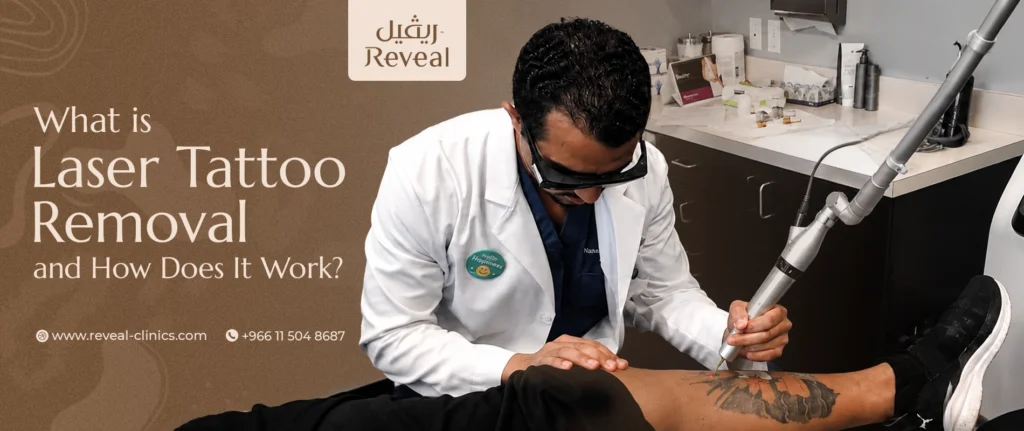
يُعد الحصول على وشم خياراً شخصياً، وكذلك الحال بالنسبة لإزالته. وسواءً لم يعد الوشم يتناسب مع نمط حياتك، أو بهت لونه، أو بات يؤثر على ثقتك بنفسك، فإن إزالة الوشم بالليزر تُعد الطريقة الأكثر أماناً وفعالية للتخلص من الحبر غير المرغوب فيه؛ إذ تتيح تقنيات الليزر المتطورة تفتيح لون العديد من الأوشام بشكل ملحوظ أو إزالتها تماماً، مع الحفاظ على سلامة الجلد المحيط بها.
على عكس الكريمات أو العلاجات المنزلية، تستهدف عملية إزالة الوشم بالليزر -التي تُجرى على يد متخصصين- الحبر الموجود تحت الجلد، مما يتيح لعملية الشفاء الطبيعية في جسمك التخلص منه تدريجياً عبر جلسات متعددة. ستتعرف في هذا الدليل على ماهية إزالة الوشم بالليزر وآلية عملها، وما يمكن توقعه أثناء العلاج، ونصائح فترة التعافي، والنتائج التي يمكنك تحقيقها بشكل واقعي.
في هذا الدليل، ستتعرف على ما هي عملية إزالة الوشم بالليزر؟, كيفية عمل إزالة الوشم بالليزر، وما يحدث أثناء العلاج، والآثار الجانبية المحتملة، ونصائح التعافي، والنتائج التي يمكنك توقعها بشكل واقعي.
ما هي عملية إزالة الوشم بالليزر؟
إزالة الوشم بالليزر هو إجراء تجميلي غير جراحي يستخدم تقنية عالية التركيز طاقة الليزر لتحليل / لتفكيك / للانهيار حبر الوشم إلى جزيئات صغيرة. بمجرد أن يتحطم الحبر، الجهاز المناعي يزيل هذه الجزيئات تدريجياً من خلال الجهاز اللمفاويمما يؤدي إلى تلاشي الوشم بمرور الوقت. تُعتبر هذه الطريقة على نطاق واسع العلاج الأكثر فعالية لإزالة الوشم، سواءً كان احترافيًا أو هاويًا، مع تقليل الضرر الذي يلحق بالجلد المحيط.
كيف تعمل عملية إزالة الوشم بالليزر؟
ال عملية إزالة الوشم بالليزر يعمل عن طريق إرسال دفعات قصيرة من طاقة ليزر موجهة يتم إدخال هذه النبضات الليزرية إلى الجلد. صبغة الوشم، مما يتسبب في الأكبر جزيئات الحبر لتتكسر إلى أجزاء أصغر بكثير. وعلى مدار الأسابيع التالية، ستبدأ عملية الشفاء الطبيعية للجسم و خلايا الدم البيضاء تُزيل هذه الجسيمات تدريجياً، مما يجعل الوشم أفتح لوناً بعد كل جلسة. وتُستخدم أطوال موجية مختلفة من الليزر لاستهداف ألوان الحبر المتنوعة، مما يتيح معالجة طيف واسع من أنواع الوشم.
ماذا يحدث أثناء جلسة إزالة الوشم بالليزر؟
كل علاج إزالة الوشم بالليزر تبدأ العملية باستشارة لتقييم الوشم ونوع البشرة والتاريخ الطبي. خلال العملية، يتم توفير نظارات واقية، و مخدر موضعي قد يُستخدم جهاز تبريد أو جهاز تعقيم لتحسين الراحة. ثم يُطبّق طبيب الجلدية الليزر على الوشم باستخدام نبضات مُتحكّم بها، وتستغرق كل جلسة عادةً ما بين 15 و45 دقيقة حسب حجم الوشم ومدى تعقيده. عيادة ريڤيل، يتم تصميم خطط العلاج بشكل مخصص لتحقيق أكثر النتائج أماناً وفعالية، وتُستخدم تقنيات متقدمة مثل البيكو واي قد يُوصى به لألوان وشم وأنواع بشرة معينة.
هل تسبب عملية إزالة الوشم بالليزر ألماً؟
يصف معظم المرضى ألم إزالة الوشم بالليزر يشبه الشعورُ بذلك إحساسَ ارتداد شريط مطاطي واصطدامه بالجلد. وتعتمد درجة الانزعاج على موقع الوشم وحجمه ومدى تحمل الفرد للألم؛ إذ قد تكون المناطق الحساسة أكثر إزعاجاً، إلا أن أنظمة التبريد وكريمات التخدير تساعد في تخفيف هذا الانزعاج أثناء الإجراء. ونظراً لأن كل جلسة قصيرة نسبياً، يجد معظم الأشخاص أن العلاج محتمل ويمكن تحمّله.
كم عدد الجلسات اللازمة لإزالة الوشم بالليزر؟
عدد جلسات إزالة الوشم بالليزر يختلف الأمر من شخص لآخر. عادةً ما تتطلب الوشوم الصغيرة السوداء عددًا أقل من الجلسات، بينما تتطلب الوشوم الكبيرة أو وشوم ملونة غالبًا ما تكون هناك حاجة إلى جلسات علاجية إضافية؛ نظرًا لأن الأصباغ المختلفة تستجيب بشكل متفاوت لطاقة الليزر. كما تؤثر عوامل مثل قِدم الوشم، وعمق الحبر، ونوع البشرة، واستجابة الجسم للشفاء في إجمالي عدد الجلسات المطلوبة. ويحتاج معظم المرضى إلى ما يتراوح بين ست وعشر جلسات، مع ترك فاصل زمني يمتد لعدة أسابيع بين المواعيد للسماح للبشرة بالتعافي بشكل سليم وللتخلص من الحبر.
هل يمكن لإزالة الوشم بالليزر التخلص من الوشم تماماً؟
يمكن إزالة العديد من الوشوم بشكل شبه كامل، إلا أن النتيجة النهائية تعتمد على عدة عوامل، منها لون الحبر، وعمق الوشم، ونوع الوشم الأصلي. وبشكل عام، يستجيب الحبر الأسود بشكل أفضل لكونه يمتص طاقة الليزر بكفاءة أكبر، في حين قد تتطلب الأصباغ الخضراء والزرقاء والصفراء جلسات إضافية. ورغم أن الإزالة الكاملة ممكنة في كثير من الأحيان، إلا أن بعض الوشوم قد تترك أثراً باهتاً أو تغيراً طفيفاً في لون الجلد؛ لذا يُعد تكوين توقعات واقعية جزءاً مهماً من أي استشارة طبية.
من هو المرشح المناسب لإزالة الوشم بالليزر؟
معظم البالغين الأصحاء الذين لديهم وشم غير مرغوب فيه مرشحون مناسبون لـ علاج إزالة الوشم بالليزرعادةً ما يحقق الأفراد الذين لديهم توقعات واقعية وبشرة سليمة -وخالية من أي عدوى جلدية نشطة- أفضل النتائج. وخلال جلسة الاستشارة، سيقوم طبيب الجلدية بفحص بشرتك والوشم قبل وضع خطة علاجية مخصصة لك. الدكتور مروان الحداديؤكد استشاري الأمراض الجلدية وجراحة التجميل والجلدية والليزر وعضو هيئة التدريس في كلية "ماونت سيناي" للطب في نيويورك، أن التقييم الدقيق لنوع البشرة وخصائص الوشم يلعب دوراً مهماً في تحقيق إزالة ناجحة للوشم مع الحد من الآثار الجانبية غير المرغوب فيها.
ما هي مخاطر وآثار إزالة الوشم بالليزر الجانبية؟
كأي إجراء تجميلي، إزالة الوشم بالليزر له بعض الآثار الجانبية المؤقتة، لكن المضاعفات الخطيرة نادرة الحدوث عندما يتم العلاج على يد مختص ذي خبرة. طبيب أمراض جلدية. يعاني معظم المرضى من أعراض خفيفة احمرارقد يحدث تورم أو ألم عند اللمس أو ظهور بثور صغيرة مباشرة بعد العلاج. هذه ردود فعل طبيعية. التئام الجلد تتحسن الحالة عادةً في غضون أيام قليلة. اتباع تعليمات الرعاية اللاحقة الصحيحة يقلل بشكل كبير من خطر الإصابة بـ عدوى إزالة الوشم بالليزر، أو تندّب، أو تغير غير مرغوب فيه في لون الجلد.
كيف تعتني ببشرتك بعد إزالة الوشم بالليزر؟
سليم العناية اللاحقة لإزالة الوشم بالليزر يلعب دوراً مهماً في تحقيق أفضل النتائج. حافظ على نظافة وجفاف المنطقة المعالجة خلال الساعات الأربع والعشرين الأولى، وتجنب العبث بالبثور أو القشور، وضع مرهماً واقياً مثل الفازلين إذا أوصى طبيب الجلدية بذلك. من المهم أيضًا تجنب السباحة والتعرق المفرط والتعرض المباشر لأشعة الشمس حتى يشفى الجلد. ارتداء واقي شمس على المنطقة المعالجة يساعد في حماية الجلد ويقلل من خطر حدوث تغيرات في التصبغ. وإذا كنت تخضع لعلاجات جلدية أخرى، فقد يوصي طبيب الجلدية بجدولتها بشكل منفصل عن جلسات إزالة الوشم. وبالنسبة لمخاوف مثل التصبغ أو ملمس الجلد بعد إزالة الوشم، فإن علاجات مثل... ليزر جينيسس أو فراكسل يمكن النظر في ذلك بمجرد تعافي الجلد تماماً.
الأسئلة الشائعة (FAQ)
هل إزالة الوشم بالليزر آمنة؟
نعم إزالة الوشم بالليزر يُعد إجراءً آمناً عند القيام به على يد طبيب أمراض جلدية مؤهل وباستخدام تقنية ليزر معتمدة؛ إذ تساهم الاستشارة السليمة وخطة العلاج المخصصة في الحد من المخاطر وتحسين نتائج العلاج.
كم تستغرق عملية إزالة الوشم بالليزر؟
معظم جلسات إزالة الوشم بالليزر يستغرق ما بين 15 و45 دقيقة، وذلك حسب حجم الوشم وموقعه ولونه. فقد تتطلب الأوشام الأكبر حجماً فترات علاج أطول قليلاً.
هل يمكن إزالة الوشم الملون؟
نعم، ولكن وشوم ملونة غالباً ما تتطلب عدداً أكبر من الجلسات مقارنةً بالوشوم ذات الحبر الأسود. ويمكن لأنظمة الليزر الحديثة استهداف ألوان حبر متعددة، وإن كانت الأصباغ الخضراء والزرقاء والصفراء قد تستجيب للعلاج ببطء أكبر.
هل يمكنك إزالة الوشم في المنزل؟
تُعد العلاجات المنزلية وكريمات إزالة الوشم غير فعالة بشكل عام، وقد تلحق الضرر بالجلد. إزالة الوشم بالليزر بشكل احترافي تظل الطريقة الأكثر أماناً وفعالية لإزالة الوشم غير المرغوب فيه مع حماية الجلد المحيط.
ما هي المدة التي يجب أن تنتظرها بين جلسات إزالة الوشم بالليزر؟
يوصي معظم أطباء الجلدية بالانتظار. من ستة إلى ثمانية أسابيع بين جلسات العلاج. وهذا يعطي الجهاز المناعي وقت كافٍ لإزالة الأجزاء المكسورة جزيئات حبر الوشم ويسمح للبشرة بالتعافي بشكل سليم قبل الجلسة التالية.
هل يؤثر إزالة الشعر بالليزر على الوشم؟
نعم إزالة الشعر بالليزر لا ينبغي مطلقاً إجراء العلاج مباشرةً فوق منطقة الوشم؛ لأن الليزر قد يتفاعل مع صبغة الوشم، مما يزيد من خطر حدوث حروق أو بثور أو تلف في الجلد. وعادةً ما تتم تغطية الوشم أو تجنب المنطقة التي يوجد بها أثناء جلسات إزالة الشعر. أما إذا كنت تفكر في إزالة الشعر من منطقة أخرى، فإن التقنيات المتقدمة مثل... سبلندراكس يمكن أن يوفر علاجاً فعالاً مع تجنب الجلد الموشوم بأمان.
هل يمكن لإزالة الوشم بالليزر التخلص من الوشم تماماً؟
يمكن إزالة العديد من الوشوم بشكل شبه كامل، وخاصة الوشوم المصنوعة من الحبر الأسود. ومع ذلك، تعتمد النتيجة النهائية على عوامل مثل لون الحبر، وعمق الوشم، ونوع البشرة، وكيفية استجابة الجسم للوشم. عملية إزالة الوشمقد تترك بعض الوشوم ظلاً باهتاً حتى بعد العلاج الناجح.
ما هي الآثار الجانبية لإزالة الوشم بالليزر؟
الأكثر شيوعاً الآثار الجانبية لإزالة الوشم بالليزر تشمل الأعراض احمرار الجلد، وتورمه، وظهور بثور مؤقتة، وشعوراً طفيفاً بعدم الراحة، وتغيراً طفيفاً في لون الجلد. وعادةً ما تتحسن هذه الأعراض في غضون أيام أو أسابيع قليلة عند اتباع الرعاية اللاحقة المناسبة.
خاتمة
تُعد إزالة الوشم بالليزر وسيلة آمنة وفعالة لتفتيح لون الوشم غير المرغوب فيه أو إزالته تماماً دون الحاجة إلى جراحة. تعتمد هذه التقنية على استخدام طاقة الليزر الموجهة لتفتيت جزيئات حبر الوشم، مما يتيح للجهاز المناعي في الجسم التخلص منها تدريجياً عبر جلسات متعددة. وتختلف النتائج بناءً على لون الوشم وعمقه وقدمه، إلا أن معظم المرضى يحققون تفتيحاً ملحوظاً للون عند اتباع خطة علاجية مخصصة لحالتهم.
في عيادات ريفيل، تبدأ جميع العلاجات باستشارة طبية شاملة لتقييم حالة بشرتك والوشم. وبناءً على احتياجاتك، قد يتم استخدام تقنية الليزر البيكو ثانية لإزالة الوشم، ثم التوصية بعلاجات لاحقة مثل ليزر ثاني أكسيد الكربون الجزئي، أو تقنية الترددات الراديوية بالإبر الدقيقة، أو ليزر الأوعية الدموية والتصبغات، أو العلاج بالضوء النبضي المكثف، وذلك لتحسين ملمس البشرة، وتقليل التصبغات، وتعزيز نضارة البشرة وتجديدها بشكل عام. هدفنا هو تحقيق نتائج آمنة وطبيعية المظهر مع أقل فترة تعافٍ ممكنة.