
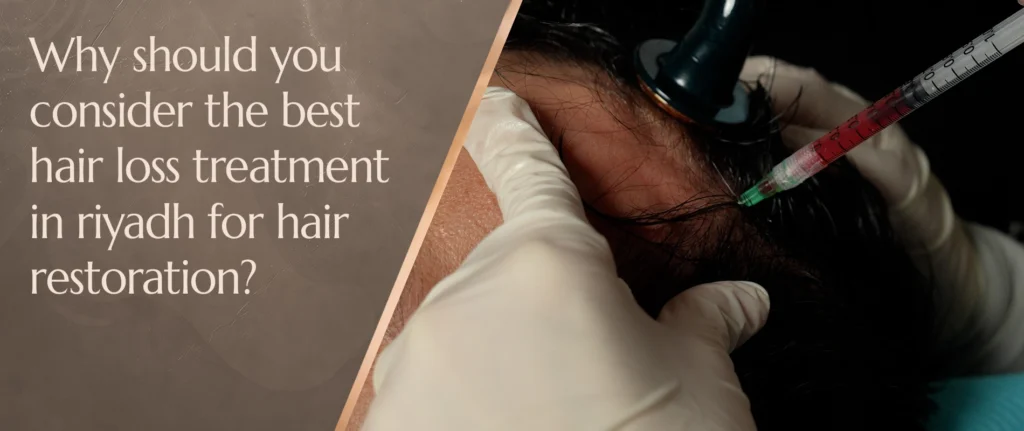
إيجاد أفضل علاج لتساقط الشعر في الرياض لا يقتصر الأمر على اختيار أحدث إجراء أو أكثر تقنيات إعادة إنبات الشعر شيوعًا. تبدأ عملية استعادة الشعر الفعالة بفهم سبب ترقق شعرك وما يمكن تحسينه بشكل واقعي. قد يظهر تساقط الشعر على شكل تساقط مفرط، أو انخفاض في حجم الشعر. hair densityاتساع منطقة الشعر، أو ترقق الشعر في أعلى الرأس، أو انحسار خط الشعر، وقد يكون لكل نمط سبب أساسي مختلف. علاجات استعادة الشعر يمكن أن تساعد هذه التقنية في الحفاظ على الشعر الموجود، ودعم بصيلات الشعر النشطة، وتحسين كثافة الشعر، والحفاظ على صحة فروة الرأس، والسيطرة على ترقق الشعر التدريجي لدى المرضى المناسبين. في عيادات ريفيل، قد تشمل الخيارات ما يلي: علاج استعادة الشعر بالبلازما الغنية بالصفائح الدموية (PRP)، وMagellan 2، وRegenLab، وExosmart، وACell، والمينوكسيديل، والدوتاستيريد.، وذلك حسب مدى ملاءمة الحالة الطبية. بالنسبة للمرضى الذين يقارنون أفضل علاجات إعادة نمو الشعر أو البحث عن أحدث علاج لتساقط الشعرإن العامل الأهم ليس مدى حداثة العلاج، بل مدى ملاءمته لتشخيص حالة الفرد، وحالة البصيلات، وصحة فروة الرأس، والتاريخ الطبي، وأهداف استعادة الشعر على المدى الطويل.
لماذا يُعد العلاج المبكر لتساقط الشعر مهماً؟
يسهل التعامل مع تساقط الشعر غالبًا عند تقييمه قبل تفاقم الحالة. في بعض الحالات المتقدمة، وخاصة داء الثعلبة الأندروجينية، تصبح بصيلات الشعر المصابة أصغر حجمًا تدريجيًا وتبدأ في إنتاج شعر أدق وأقصر من خلال عملية تُعرف باسم تصغير حجم البصيلةالبدء علاج تساقط الشعر قد يوفر الحفاظ على نشاط بصيلات الشعر فرصة أكبر للحفاظ على الشعر الموجود، ودعم كثافته، والحد من ترققه التدريجي، والحفاظ على كثافته الإجمالية. تشمل العلامات التحذيرية المبكرة زيادة التساقط، وترقق الشعر في منطقة التاج، واتساع فرق الشعر، وظهور فروة الرأس بوضوح، أو انحسار الشعر التدريجي حول الصدغين وخط الشعر. كما يساعد التقييم المبكر في تحديد ما إذا كان تساقط الشعر وراثيًا، أو هرمونيًا، أو ناتجًا عن سوء التغذية، أو مرتبطًا بالتوتر، أو بالأدوية، أو مرتبطًا بحالة فروة الرأس أو حالة طبية. بدلًا من الانتظار حتى يصبح تساقط الشعر صعب الإخفاء، يمكن للتقييم الاحترافي وضع خطة علاجية أكثر دقة وواقعية. خطة استعادة الشعر في حين قد تظل هناك بصيلات قابلة للحياة.
ما الذي يسبب تساقط الشعر وترققه؟
لا يوجد تفسير واحد لكل حالة من حالات تساقط الشعر وترققهولهذا السبب، ينبغي أن يبدأ العلاج الفعال بالتشخيص. وتشمل العوامل المساهمة الشائعة الثعلبة الأندروجينية، والعوامل الوراثية، والتغيرات الهرمونية، والتوتر، ونقص العناصر الغذائية، والمرض، وبعض الأدوية، واضطرابات فروة الرأس، والتغيرات المرتبطة بالعمر في دورة نمو الشعر.في تساقط الشعر الوراثي، تكون الحساسية لـ DHT، أو ثنائي هيدروتستوستيرونقد يُساهم ذلك في التضاؤل التدريجي لبصيلات الشعر المعرضة وراثيًا. وقد يُعاني مرضى آخرون من تساقط الشعر المنتشر بعد المرض، أو الإجهاد الشديد، أو التغيرات الهرمونية، أو مشاكل التغذية، في حين أن تساقط الشعر المتقطع أو المفاجئ قد يكون له أسباب مختلفة تمامًا. ولهذا السبب، فإن البحث عن... أفضل علاج للصلع, علاج جديد للصلع، أو علاج دائم للصلع قد يكون الأمر مضللاً؛ ففقدان الشعر ليس حالة واحدة لها حل واحد، بل يعتمد نجاح التعامل معه على فهم العوامل المؤثرة في بصيلات الشعر، وبيئة فروة الرأس، ودورة نمو الشعر، والكثافة العامة للشعر، وذلك قبل اختيار العلاج المناسب.
لماذا تفكر في إجراء احترافي لاستعادة الشعر في الرياض؟
تتخذ العديد من التدابير المهنية للتحفيز أو إعادة التشكيل. استعادة الشعر في الرياض يمكن أن يوفر التقييم الطبي ميزة هامة مقارنةً بتجربة أنواع الشامبو والمكملات الغذائية والسيرومات أو العلاجات المتوفرة على الإنترنت بشكل متكرر دون تحديد سبب تساقط الشعر أولاً. يُمكن للتقييم الطبي تحديد نمط وشدة ترقق الشعر، وفحص صحة فروة الرأس، وتقييم نشاط بصيلات الشعر، ومراجعة التاريخ الطبي، وتحديد العوامل التي قد تؤثر على استجابة العلاج. تقدم عيادات ريفيل... تقييم متقدم للشعر وفروة الرأس للمساعدة في التقييم كثافة الشعر، وحالة البصيلات، وصحة فروة الرأس، وأنماط تساقط الشعر قبل وضع خطة العلاج. كما أن تحديد خط أساس يُسهّل مراقبة التغييرات من خلال المتابعة بدلاً من الاعتماد فقط على ما يبدو مختلفًا في المرآة. ويمكن أن تكون الرعاية المهنية ذات قيمة خاصة للمرضى الذين يرغبون في إجراء غير جراحي لاستعادة الشعرإذا كنت قد جربت منتجات متاحة بدون وصفة طبية دون تحسن مُرضٍ، أو ترغب في معرفة ما إذا كان للعلاج الطبي أو التجديدي دور معقول في حالتك، فهذا هو المكان المناسب لكل من يبحث عن أخصائي تساقط الشعر في الرياضيمكن للرعاية القائمة على التشخيص أن تساعد في الحد من العلاجات غير الضرورية وتحديد توقعات أكثر وضوحاً منذ البداية.
ما هي علاجات استعادة الشعر المتاحة في عيادات "ريفيل" (Reveal Clinics)؟
قد تنظر عيادات ريفيل في عدة مناهج وفقًا لحالة المريض تشخيص تساقط الشعر، ونشاط البصيلات، وحالة فروة الرأس، وتاريخ العلاج السابق، وأهداف استعادة الشعر.. قد تشمل الخيارات المتاحة البلازما الغنية بالصفائح الدموية (PRP)، وMagellan 2، وRegenLab، وExosmart، وACell، والمينوكسيديل، والدوتاستيريد. عند الضرورة الطبية. لهذه العلاجات أغراض مختلفة، ولا ينبغي اعتبارها حلولاً قابلة للتبادل. تركز بعض الأساليب على دعم البيئة المحيطة ببصيلات الشعر الموجودة، بينما قد تساعد العلاجات الطبية في إدارة المسارات البيولوجية المتورطة في تساقط الشعر النمطي التدريجي. بناءً على التشخيص، قد يستفيد المريض من علاج واحد أو من مجموعة علاجات مُخططة بعناية. كما يمكن أن يختلف معدل تكرار العلاج، واحتياجات الصيانة، والفوائد المتوقعة، والاستجابة بشكل كبير بين حالات ترقق الشعر المبكر، وتساقط الشعر الوراثي، والتساقط النشط، وحالات التساقط الأكثر رسوخًا. لذلك، يُفضل النظر في علاجات الشعر في عيادات ريفيل ضمن خطة فردية بدلاً من كونها حزمة قياسية. أفضل علاج لتساقط الشعر هو الخيار الذي يحمل أوضح غرض سريري للحالة التي يتم علاجها.
استعادة الشعر باستخدام البلازما الغنية بالصفائح الدموية (PRP)
ترميم الشعر بالبلازما PRP يستخدم هذا العلاج البلازما الغنية بالصفائح الدموية، المُحضّرة من عينة صغيرة من دم المريض نفسه، كجزء من نهج غير جراحي لعلاج ترقق الشعر. بعد المعالجة، تحتوي البلازما على صفائح دموية مركزة وعوامل نمو قد تُساعد في دعم البيئة البيولوجية المحيطة ببصيلات الشعر النشطة. في الحالات المناسبة، يُمكن النظر في استخدام البلازما الغنية بالصفائح الدموية عندما تتضمن أهداف العلاج دعم نمو الشعر. سُمك الشعر وكثافته، ونشاط البصيلات، وصحة فروة الرأستتمثل إحدى المزايا العملية لهذا الإجراء في أنه لا يتطلب جراحة لزراعة الشعر أو استئصال بصيلات من منطقة مانحة، مما يجعله خياراً جذاباً للمرضى الباحثين عن وسيلة لاستعادة الشعر بأقل قدر من التدخل الجراحي. ولا تظهر النتائج بشكل فوري نظراً لأن نمو الشعر يمر بدورات زمنية، وقد يُوصى بإجراء عدة جلسات بناءً على حالة المريض وخطة العلاج المتبعة. وينبغي عدم الترويج للعلاج بالبلازما الغنية بالصفائح الدموية (PRP) باعتباره علاجاً مضموناً للصلع أو وسيلة لتخليق بصيلات شعر مفقودة بشكل دائم؛ إذ تكمن قيمته القصوى عند استخدامه للمرشح المناسب ودمجه ضمن خطة علاجية أشمل. استعادة الشعر بطرق غير جراحية استراتيجية.
بلازما ماجلان لعلاج تساقط الشعر
بلازما ماجلان يمكن استخدامها كجزء من بروتوكول تركيز الصفائح الدموية عند اختيار البلازما الغنية بالصفائح الدموية (PRP) للتخصيص علاج استعادة الشعريتمثل الغرض من هذا النظام في تحضير بلازما غنية بالصفائح الدموية (PRP) بتركيز عالٍ، بحيث تحتوي على الصفائح الدموية وعوامل النمو لاستخدامها حول بصيلات الشعر النشطة. ومع ذلك، فإن اسم نظام البلازما الغنية بالصفائح الدموية وحده لا يحدد مدى نجاح العلاج؛ إذ يمكن أن تؤثر عوامل عدة على النتيجة النهائية، مثل التشخيص، ودرجة ترقق الشعر، وحيوية البصيلات، وحالة فروة الرأس، وتقنية التحضير، وتوقيت العلاج، والمتابعة. ولذا، ينبغي على المرضى الذين يقارنون بين تقنيات مختلفة للبلازما الغنية بالصفائح الدموية تجنّب افتراض أن جهازاً معيناً سيؤدي تلقائياً إلى نتائج أفضل في إعادة نمو الشعر لجميع أنواع تساقط الشعر. بلازما ماجلان لعلاج تساقط الشعر يُعدّ الأنسب النظر إليه باعتباره عنصراً واحداً من استراتيجية علاجية متكاملة، يتم اختيارها وفقاً لحالة المريض الفردية وأهداف الترميم.
تقنية RegenLab للبلازما الغنية بالصفائح الدموية (PRP) لاستعادة الشعر
RegenLab PRP يُعد هذا نهجًا آخر قائمًا على البلازما الغنية بالصفائح الدموية (PRP) يمكن دمجه في علاج شخصي علاج استعادة الشعرعلى غرار بروتوكولات البلازما الغنية بالصفائح الدموية الأخرى، يستخدم هذا البروتوكول البلازما الغنية بالصفائح الدموية كجزء من استراتيجية تهدف إلى دعم بصيلات الشعر الموجودة والبيئة المحيطة بفروة الرأس. غالبًا ما يقارن المرضى بين أنظمة البلازما الغنية بالصفائح الدموية المختلفة عند البحث عن علاجات أخرى. علاج الشعر بالبلازما الغنية بالصفائح الدموية في الرياض...ولكن لا ينبغي أن يكون الاسم التجاري وحده هو العامل الحاسم في اختيار العلاج؛ إذ تُعد عوامل مثل نمط تساقط الشعر، ومرحلة ترققه، وحيوية البصيلات، وصحة فروة الرأس، والتاريخ الطبي، والاستجابة السابقة للعلاج، والبروتوكول السريري المتكامل، اعتباراتٍ هامةً جميعها. وبدلاً من التركيز فقط على أيهما "أفضل" —نظام Magellan 2 أم RegenLab— ينبغي للمرضى النظر فيما إذا كان العلاج بالبلازما الغنية بالصفائح الدموية (PRP) بحد ذاته مناسباً لنوع تساقط الشعر لديهم، وكيف يندرج هذا العلاج ضمن خطة الرعاية الشاملة الخاصة بهم؛ فهذا يضمن بقاء التوقعات واقعية. فوائد ونتائج علاج الشعر بدلاً من التسويق القائم على التكنولوجيا.
إكسو سمارت لاستعادة الشعر.
إكسو سمارت لاستعادة الشعر. قد يُؤخذ هذا الخيار في الاعتبار ضمن استراتيجيات العلاج التجديدي المختارة بعد التقييم الطبي المتخصص. وقد ازداد الاهتمام بالعلاجات التجديدية بين المرضى الذين يبحثون عن علاجات جديدة لترقق الشعر و أحدث علاجات تساقط الشعر في عام 2026ومع ذلك، لا ينبغي افتراض أن التقنيات الأحدث توفر بالضرورة نتائج أفضل من العلاجات الراسخة. إذ ينبغي للمرضى فهم الغرض من العلاج، والأدلة التي تدعم استخدامه، ومحدودياته، وكيفية اندماجه ضمن الخطة الشاملة للتعامل مع مشكلة تساقط الشعر لديهم؛ وتكتسب هذه النقطة أهمية خاصة نظراً لأن تساقط الشعر المستمر غالباً ما يتطلب رعاية وعلاجاً متواصلين، وليس مجرد جلسة علاجية واحدة. وبالنسبة لبعض المرضى، يمكن النظر في استخدام تقنية "Exosmart" عندما يكون الهدف السريري هو دعم بيئة فروة الرأس والحفاظ على وظيفة بصيلات الشعر المتبقية، على أن يستند القرار إلى تقييم مهني وتوقعات واقعية، وليس لمجرد حداثة التقنية.
ACell لاستعادة الشعر وفروة الرأس
ACell لاستعادة الشعر قد يُؤخذ بعين الاعتبار ضمن بعض الاستراتيجيات التجديدية المصممة وفقًا لحالة فروة الرأس وبصيلات الشعر المتبقية. ويعتمد دوره المحتمل على نوع ومرحلة تساقط الشعر، وحالة البصيلات، والعلاجات السابقة، وخطة استعادة الشعر الشاملة للمريض. ولا ينبغي وصفه بأنه... علاج دائم للصلع أو كطريقة مضمونة لاستعادة الشعر في المناطق التي لم تعد فيها بصيلات الشعر قابلة للحياة. وبدلًا من ذلك، ينبغي أن يركّز وضع خطة العلاج على الإمكانات البيولوجية المتبقية، وما إذا كان للعلاج التجديدي دور مناسب في دعم هذه الإمكانات. ويمكن لتقييم متخصص للشعر وفروة الرأس أن يساعد في تحديد ما إذا كان من المناسب التفكير في ACell*أو ما إذا كان هناك علاج آخر أكثر ملاءمة. وتكتسب هذه المنهجية الفردية أهمية خاصة للمرضى الذين يبحثون عن... نتائج طبيعية المظهر لاستعادة الشعر مع تجنّب تقديم وعود غير واقعية بشأن النتائج.
دوتاستيريد ومينوكسيديل للتحكم في تساقط الشعر
مينوكسيديل ودوتاستيريد قد تؤدي دورًا مهمًا في العلاج الطبي لبعض أشكال تساقط الشعر بعد تقييم الطبيب. ويُستخدم المينوكسيديل بشكل شائع للمساعدة في دعم... دورة نمو الشعر وكثافة الشعربينما يقلل دواء دوتاستيريد من تحويل التستوستيرون إلى DHT…وهو هرمون يرتبط بتساقط الشعر الوراثي. وعلى عكس العلاجات التي تركز بشكل أساسي على دعم فروة الرأس أو بيئة بصيلات الشعر، يمكن لهذه الأدوية أن تستهدف آليات بيولوجية محددة مرتبطة بتطور ترقق الشعر. ومع ذلك، فهي لا تناسب جميع المرضى، ويجب أن يراجع الطبيب نوع المستحضر والجرعة ومدة العلاج والاحتياطات والآثار الجانبية المحتملة والتاريخ الطبي للمريض. أما الشخص الذي يبحث عن... أفضل دواء للصلع, دواء لعلاج الصلع، أو أفضل علاجات تساقط الشعر للرجال لذلك، ينبغي تجنّب العلاج الذاتي بالاعتماد فقط على التوصيات المتداولة عبر الإنترنت. وقد يُجمع العلاج الدوائي أيضًا مع بعض الأساليب الترميمية عند ملاءمتها من الناحية الطبية، بهدف التحكم في السبب الأساسي لتساقط الشعر على المدى الطويل، بدلًا من تقديم وعود بعلاج فوري أو دائم.
كيف تساعد علاجات استعادة الشعر في تحسين كثافة الشعر؟
كثير علاجات استعادة الشعر التركيز على تحسين جودة وقوة الشعر الموجود بدلًا من مجرد إضافة كثافة مؤقتة لمظهر الشعر. وبحسب التشخيص، قد يهدف العلاج إلى دعم البصيلات النشطة، وتحسين البيئة المحيطة بجذور الشعر، وإطالة مراحل النمو الصحية للشعر، وتقليل التساقط المفرط، أو التعامل مع المسارات الهرمونية المرتبطة بترقق الشعر التدريجي.وقد يلاحظ المرضى المناسبون للعلاج تدريجيًا تحسنًا في قوة الشعيرات ومظهر كثافتها، وزيادة في سماكة الشعر وتغطيته، وانخفاضًا في معدل التساقط، أو تحسنًا عامًا في كثافة الشعر مع استمرار العلاج. وقد تجعل هذه التغيرات تصفيف الشعر أسهل، كما قد تساعد على تقليل وضوح فروة الرأس في المناطق التي تعاني من الترقق.ونظرًا لأن بصيلات الشعر تنمو وفق دورة بيولوجية، فإن التغيرات الملحوظة عادةً ما تتطور على مدى عدة أشهر وليس بشكل فوري. وقد تكون هناك حاجة إلى العلاج المستمر عند استمرار السبب الأساسي، مما يجعل تحديد توقعات واقعية والمتابعة الطبية أمرًا مهمًا عند تقييم... فوائد ونتائج علاج الشعر.
ما هو علاج تساقط الشعر المناسب لك؟
ال أفضل علاج لتساقط الشعر في الرياض ليس بالضرورة أن يكون العلاج هو نفسه الذي نجح مع شخص آخر. الشخص الذي يعاني من مشاكل صحية مبكرة تساقط الشعر النمطي لدى الرجال والنساء قد تتطلب بعض الحالات استراتيجية مختلفة تمامًا عن تلك التي يعاني منها شخص يعاني من تساقط شعر منتشر مؤقت، أو التهاب فروة الرأس، أو تساقط الشعر الناتج عن سوء التغذية، أو الصلع المزمن. يمكن النظر في العلاجات القائمة على البلازما الغنية بالصفائح الدموية (PRP) عندما تبقى بصيلات شعر نشطة أو متضائلة، بينما قد يكون للإدارة الطبية دور هام عندما يكون تساقط الشعر النمطي التدريجي ناتجًا عن مسارات هرمونية. كما يمكن النظر في علاجات تجديدية مختارة عندما يكون لها غرض واضح ضمن الخطة العلاجية. يجب أن تؤثر عوامل مثل العمر، والتاريخ الطبي، والأدوية، وحالة فروة الرأس، والكثافة الإجمالية للشعر، والاستجابة للعلاجات السابقة، والتوقعات، والاستعداد لمواصلة العلاج على اختيار العلاج. لهذا السبب، لا توجد استراتيجية واحدة تناسب الجميع. أفضل علاج لتساقط الشعر ينبغي أن يُوصى بذلك تلقائياً لكل مريض.
هل يمكن الجمع بين علاجات استعادة الشعر؟
قد يتم أحيانًا الجمع بين علاجات استعادة الشعر لأن تساقط الشعر قد ينطوي على أكثر من عامل بيولوجي واحد. قد يركز أحد العلاجات على دعم بيئة البصيلات، بينما قد يستهدف علاج آخر المسارات الهرمونية المشاركة في pattern hair loss or help maintain existing density. بي آر بي، إكزوسمارت، أي سيل، مينوكسيديل، ودوتاستيريدي لذا، قد تختلف أدوار بعض العلاجات ضمن العلاج المركب عندما يقرر الطبيب أن استخدامها معًا مناسب طبيًا. قد يكون العلاج المركب مفيدًا عندما يعالج كل علاج جزءًا محددًا من المشكلة، ولكن إضافة المزيد من الإجراءات لا يؤدي بالضرورة إلى نتائج أسرع أو أفضل. قد تزيد العلاجات غير الضرورية من التكلفة أو الإزعاج أو المخاطر المحتملة دون فائدة إضافية ملموسة. ينبغي أن يُسترشد بتسلسل العلاج، والتحمل، والاستجابة، والملاءمة الطبية، والتقدم القابل للقياس، لتحديد ما إذا كان ينبغي إضافة علاج آخر إلى العلاج المركب. خطة مخصصة لاستعادة الشعر.
ما النتائج التي يمكنك توقعها من علاج استعادة الشعر؟
نتائج من علاج تساقط الشعر تختلف النتائج باختلاف المرضى في التشخيص، وشدة ترقق الشعر، ومدة تساقط الشعر، ونشاط بصيلات الشعر، وحالة فروة الرأس، ومدى انتظام العلاج، والاستجابة البيولوجية. قد يلاحظ بعض المرضى أولاً أن تساقط الشعر يصبح أقل وضوحاً قبل حدوث أي تغييرات في سُمك الشعر أو كثافته أو مظهره العام تصبح النتائج أكثر وضوحًا. قد يلاحظ البعض تحسنًا تدريجيًا في جودة الشعر أو كثافته على مدى عدة أشهر. الهدف عمومًا هو تحقيق تحسن طبيعي بدلًا من تغيير تجميلي مفاجئ، وهي إحدى مزايا العلاجات التي تعمل على الشعر وبصيلاته الموجودة. يمكن أن يساعد التصوير السريري وتحليل فروة الرأس في توثيق التحسينات الطفيفة بدقة أكبر من الملاحظة اليومية. قد تكون المتابعة ضرورية أيضًا لأن تساقط الشعر الوراثي غالبًا ما يستمر في التفاقم مع مرور الوقت. لهذا السبب، تُعد التوقعات الواقعية والعلاج المنتظم والمتابعة المستمرة أمورًا مهمة عند مقارنة النتائج. أفضل علاجات إعادة نمو الشعر.
كم عدد جلسات استعادة الشعر التي قد تكون مطلوبة؟
يعتمد عدد الجلسات المطلوبة على إجراء استعادة الشعريعتمد اختيار العلاج المناسب على نوع وشدة تساقط الشعر، وبروتوكول العلاج المُختار، ونشاط بصيلات الشعر، واستجابة كل مريض. غالبًا ما تُخطط علاجات البلازما الغنية بالصفائح الدموية (PRP) على شكل سلسلة من الجلسات لأن بصيلات الشعر تحتاج إلى وقت للاستجابة خلال دورة نموها الطبيعية، بينما قد تتضمن الإدارة الطبية استمرار العلاج بدلًا من عدد محدد من المواعيد. قد تتبع خيارات التجديد جداول زمنية مختلفة اعتمادًا على العلاج المُختار والتوصيات السريرية. لذلك، يجب على المرضى توخي الحذر من الإعلانات التي تُشير إلى أن علاجًا واحدًا يُمكنه تصحيح جميع أشكال تساقط الشعر بشكل دائم. يسمح التقييم اللاحق للطبيب بمقارنة التساقط، والكثافة، وحالة فروة الرأس، وتغيرات بصيلات الشعر بمرور الوقت، وتحديد ما إذا كان ينبغي الاستمرار في العلاج، أو تعديله، أو دمجه مع نهج آخر، أو إيقافه. يجب أن يستند الجدول الزمني الأنسب إلى التقدم القابل للقياس وحالة المريض. أهداف استعادة الشعر.
من هو المرشح المناسب لعلاج تساقط الشعر؟
المرشحون المحتملون لـ علاج تساقط الشعر يشمل ذلك الرجال والنساء الذين يعانون من ترقق تدريجي للشعر، وزيادة في تساقطه، وانخفاض كثافته، وترقق في منطقة التاج، واتساع فرق الشعر، وانحسار خط الشعر، أو تغيرات مستمرة في صحة فروة الرأس. لا يحتاج المرضى إلى الانتظار حتى يصبح تساقط الشعر شديدًا قبل طلب التقييم؛ في الواقع، قد توفر المراحل المبكرة فرصة أكبر للحفاظ على بصيلات الشعر الصغيرة ولكن النشطة. تعتمد ملاءمة العلاج بالبلازما الغنية بالصفائح الدموية (PRP)، أو العلاج التجديدي، أو الإدارة الطبية على التشخيص، وحالة بصيلات الشعر، وصحة فروة الرأس، والعوامل الطبية الفردية. قد يتطلب تساقط الشعر المفاجئ أو الشديد أو المتقطع أو غير المبرر مزيدًا من الفحوصات قبل النظر في إجراء ترميمي. قد تتصرف مناطق الصلع الكامل طويل الأمد بشكل مختلف عن المناطق التي تظل فيها بصيلات الشعر المترققة نشطة. تساعد مراجعة التاريخ الطبي، والأدوية، والعوامل الهرمونية، والحالة التغذوية، وحالة فروة الرأس، والعلاجات السابقة في توجيه المرضى نحو الخيارات الأنسب. علاج تساقط الشعر وتجنب الإجراءات غير الضرورية.
هل تُعد علاجات استعادة الشعر آمنة؟
سلامة علاجات استعادة الشعر يعتمد ذلك على نوع العلاج، والتاريخ الطبي للمريض، والأدوية التي يتناولها، وحالته الصحية، وحالة فروة رأسه، والتقنية السريرية المستخدمة. يُحضّر البلازما الغنية بالصفائح الدموية (PRP) من دم المريض نفسه، مع العلم أنه قد يحدث احمرار مؤقت، أو ألم عند اللمس، أو تورم، أو كدمات، أو حساسية حول المناطق المعالجة. تشمل العلاجات الطبية الأخرى ما يلي: مينوكسيديل ودوتاستيريد لكل منها آثار جانبية محتملة، وموانع استخدام، واحتياطات خاصة بها، مما يستدعي مناقشتها مع الطبيب. كما تحتاج أساليب التجديد إلى تقييم دقيق لكي يفهم المرضى مستوى الأدلة الداعمة، والفوائد المتوقعة، والقيود، والمخاطر المحتملة. البحث عن أحدث علاج لتساقط الشعر لا ينبغي بأي حال من الأحوال أن يعني ذلك إعطاء الأولوية للحداثة على حساب معلومات السلامة الراسخة؛ إذ يساعد الإشراف الطبي المرضى على المقارنة بين الفوائد والمخاطر والبدائل ومتطلبات المتابعة قبل الالتزام بالعلاج.
أهمية خطة مخصصة لاستعادة الشعر
لا يُعد تساقط الشعر حالة واحدة، ولهذا السبب فإن... الناجحة استعادة الشعر لا ينبغي الاعتماد على نفس البروتوكول لكل مريض. قد يُظهر شخصان ترققًا ظاهريًا مشابهًا، لكنهما يختلفان في الأسباب، وحالة فروة الرأس، ونشاط بصيلات الشعر، والتاريخ الطبي، واحتمالية الاستجابة لعلاج معين. يمكن لخطة علاجية مُخصصة أن تُحدد ما إذا كان الهدف الأساسي هو الحد من تساقط الشعر، والحفاظ على الشعر الموجود، وزيادة الكثافة، ودعم صحة فروة الرأس، ومعالجة ترقق الشعر المرتبط بهرمون DHT، أو الجمع بين أساليب علاجية مختلفة.كما يُمكن أن يُساعد التقييم المنتظم في وضع توقعات واقعية بشأن التوقيت، والمتابعة، والنتائج، ومتى يجب تعديل العلاج. ويُتيح التقييم المنتظم مراجعة التقدم بموضوعية، ويمنع المرضى من الاستمرار في علاجات لا تُحقق فائدة ملموسة. ولذلك، يُعدّ التخصيص أحد أهم الاعتبارات عند اختيار العلاج. أفضل علاج لترقق الشعر لدى الرجال والنساء.
لماذا يوصي الدكتور هيثم القزلان بنهج مخصص لعلاج الشعر في الرياض؟
Dr. Haitham Al-Gzlan at Reveal Clinics هو طبيب استشاري في الأمراض الجلدية، ويدعم نهجه الرعاية الفردية للمرضى الذين يفكرون في استعادة الشعر في الرياضتستفيد إدارة تساقط الشعر من التقييم الطبي الدقيق، لأن السبب الكامن، وشدة الترقق، وحالة فروة الرأس، ونشاط بصيلات الشعر، والعلاجات السابقة، وتوقعات المريض، كلها عوامل قد تختلف اختلافًا كبيرًا. ويمكن للاستشارة الطبية تقييم هذه العوامل. كثافة الشعر، ونمط تساقط الشعر، وصحة فروة الرأس، والتاريخ الطبي، والاستجابة للعلاجات السابقة، والأهداف طويلة المدى. قبل تحديد الاستراتيجية المناسبة. بناءً على النتائج، يمكن النظر في العلاج بالبلازما الغنية بالصفائح الدموية، أو الإدارة الطبية، أو علاجات تجديدية مختارة، أو المتابعة، أو مزيج من هذه العلاجات. يساعد هذا النهج الموجه من قبل الطبيب المرضى على فهم ما يمكن تحقيقه بشكل واقعي، ويتجنب العلاج غير الضروري الذي يناسب الجميع، ويضع خطة طويلة الأجل أكثر وضوحًا. علاج احترافي لتساقط الشعر في الرياض.
الأسئلة الشائعة حول علاج تساقط الشعر في الرياض
ما هو أفضل علاج لتساقط الشعر في الرياض؟
يعتمد العلاج الأمثل على سبب تساقط الشعر، ونشاط البصيلات، وصحة فروة الرأس، والتاريخ الطبي؛ وقد تشمل الخيارات العلاج بالبلازما الغنية بالصفائح الدموية (PRP)، أو العلاج الدوائي، أو علاجات تجديدية مختارة.
هل يساعد العلاج بالبلازما الغنية بالصفائح الدموية (PRP) في علاج تساقط الشعر وترققه؟
قد يساعد العلاج بالبلازما الغنية بالصفائح الدموية (PRP) في دعم كثافة الشعر وسماكته ونشاط البصيلات لدى المرضى المناسبين؛ وتختلف النتائج باختلاف نوع تساقط الشعر ومرحلته.
ما الفرق بين Magellan 2 و RegenLab PRP؟
يُعد كل من Magellan 2 وRegenLab نظامين مختلفين يُستخدمان لتحضير البلازما الغنية بالصفائح الدموية، ويعتمد الخيار الأنسب على خطة العلاج وحالة تساقط الشعر لدى الفرد.
كيف يدعم Exosmart عملية استعادة الشعر؟
يمكن اعتبار "إكسوسمارت" (Exosmart) جزءاً من خطط مختارة لاستعادة الشعر وتجديد حيويته؛ إذ تعتمد ملاءمته للاستخدام على حالة بصيلات الشعر، وصحة فروة الرأس، وأهداف العلاج.
فيمَ يُستخدم ACell في عمليات استعادة الشعر؟
يمكن استخدام ACell ضمن استراتيجيات مختارة تهدف إلى دعم فروة الرأس وبصيلات الشعر الموجودة، ولكن لا ينبغي اعتباره علاجاً مضموناً للصلع.
هل يمكن للمينوكسيديل والدوتاستيريد المساعدة في منع المزيد من تساقط الشعر؟
قد يساعد كل من المينوكسيديل (Minoxidil) والدوتاستيريد (Dutasteride) في التعامل مع بعض أشكال تساقط الشعر النمطي المتفاقم؛ لذا ينبغي مناقشة مدى ملاءمتها، والاحتياطات المتعلقة بها، ومدة استخدامها مع الطبيب.
كم يستغرق ظهور نتائج استعادة الشعر؟
عادةً ما تظهر نتائج استعادة الشعر تدريجياً لأن الشعر ينمو وفق دورات طبيعية، وقد يستغرق ظهور تغييرات ملموسة في السماكة أو الكثافة عدة أشهر.
هل يمكن الجمع بين علاجات استعادة الشعر؟
نعم، يمكن الجمع بين علاجات مختارة إذا كانت تعالج جوانب مختلفة من تساقط الشعر؛ ويجب أن يستند هذا الجمع إلى الملاءمة الطبية والأهداف العلاجية الفردية.
خاتمة
تتخذ العديد من التدابير المهنية للتحفيز أو إعادة التشكيل. واكتشف نهجاً مخصصاً لإعادة نمو الشعر واستعادته. قد يكون من المفيد التفكير في هذا الخيار عند استمرار تفاقم ترقق الشعر، أو تساقطه المستمر، أو انحسار خط الشعر، أو اتساع فرق الشعر، أو فقدان الشعر في منطقة التاج، أو انخفاض كثافة الشعر. خيارات مثل: بي آر بي، ماجلان 2، ريجين لاب، إكسوسمارت، أي سيل، مينوكسيديل، دوتاستيرايد قد تختلف أدوارها تبعًا للتشخيص الأساسي واستراتيجية العلاج الفردية. الخطوة الأولى والأهم هي تحديد سبب تساقط الشعر، وما إذا كانت بصيلات الشعر لا تزال نشطة، وما يمكن تحسينه بشكل واقعي، وأي علاج له غرض سريري مناسب. قد يوفر التقييم المبكر فرصة أكبر للحفاظ على الشعر الموجود، بينما يساعد التقييم المستمر في تحديد ما إذا كانت كثافة الشعر، وتساقطه، وحالة فروة الرأس، وجودة الشعر تستجيب للعلاج. بالنسبة للمرضى الذين يقارنون أفضل علاجات تساقط الشعرإن الخيار الأمثل ليس بالضرورة أحدث الإجراءات أو أكثرها توغلاً، بل هو الأنسب لحالة المريض. ويمكن لتقييم شخصي في عيادات ريفيل أن يساعد في تحديد مسار أوضح نحو العلاج الأمثل. الحفاظ على الشعر الموجود، ودعم وظائف فروة الرأس لتعزيز صحتها، وتحسين الكثافة الظاهرة حيثما أمكن، وتحقيق نتائج طبيعية المظهر في استعادة الشعر..