
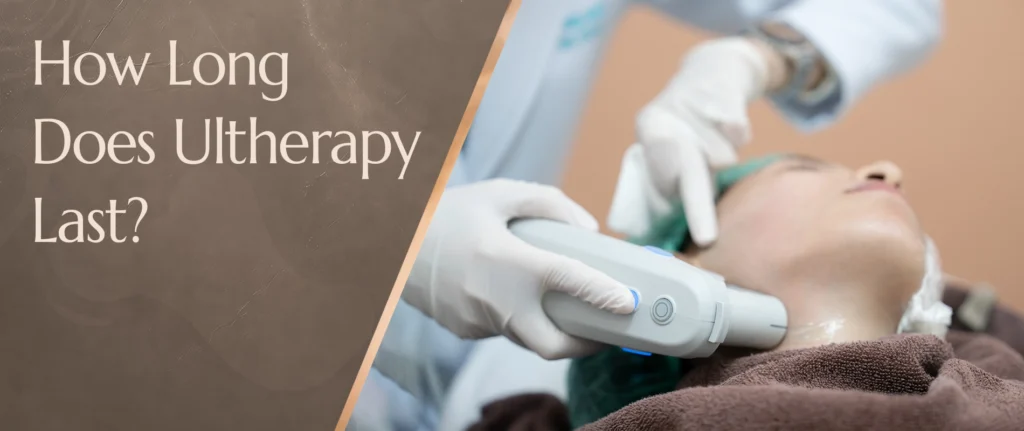
إذا كنت تفكر علاج "الثيرا" (Ultherapy) في الرياض, one of your first questions may be how long does Ultherapy last? The answer varies because every patient has a different age, degree of ارتخاء الجلد, skin condition, lifestyle, and collagen response. Ultherapy results develop gradually because the treatment works by stimulating your body’s natural collagen-building process rather than creating an instant artificial lift. Results may remain noticeable for a year or longer in some patients, but no fixed duration can be guaranteed. Understanding the Ultherapy results timeline, factors affecting longevity, and possible maintenance options can help you develop realistic expectations before treatment.
What Is Ultherapy?
الالثيرا هو non-invasive skin tightening treatment that uses microfocused ultrasound energy to target specific tissue layers beneath the skin. Unlike surgical lifting procedures, it does not require incisions, and it works by creating controlled thermal stimulation that triggers the body’s natural healing response. This process encourages إنتاج الكولاجين, tissue remodeling, and gradual improvement in firmness and definition. At Reveal Clinics, patients can explore Ultherapy treatment in Riyadh as part of a personalized facial rejuvenation plan. The purpose of treatment is to create progressive skin lifting and firmer-looking contours while preserving a natural appearance.
How Does Ultherapy Stimulate Collagen?
Ultherapy delivers focused ultrasound energy beneath the skin at carefully selected depths, creating controlled thermal points without removing or resurfacing the skin’s surface. This stimulation activates fibroblasts and encourages new collagen production, followed by a gradual collagen remodeling process in which existing fibers reorganize and new structural support develops. Because collagen takes time to form and mature, Ultherapy skin tightening results usually develop progressively rather than appearing immediately. This biological response explains why patients may continue noticing changes for several months after treatment, including better firmness, improved definition, and a subtle natural-looking lift.
Which Areas Can Ultherapy Treat?
Ultherapy is commonly used to address laxity around the lower face, beneath the chin, neck, brow, and décolletage, depending on the patient’s anatomy and clinical indications. Patients often search for Ultherapy full face, Ultherapy jawline, Ultherapy neck tightening، أو Ultherapy around mouth when they are concerned about early facial aging or reduced definition. However, treatment areas should always be selected after an examination because different parts of the face and neck require different treatment depths and techniques. Precise anatomical planning helps ensure that ultrasound energy is directed to appropriate tissue layers while supporting safe and natural-looking outcomes.
What Skin Concerns Can Ultherapy Improve?
الرئيسي benefits of Ultherapy relate to early loss of firmness, reduced facial definition, and ارتخاء الجلد بدرجة خفيفة إلى متوسطة caused by natural aging. By supporting تحفيز الكولاجين, the treatment may gradually improve the appearance of loose skin along the jawline, beneath the chin, and around the neck while helping the skin feel firmer. Ultherapy does not stop aging and cannot produce the same degree of correction as surgery, particularly when severe sagging is present. For this reason, good candidate selection, realistic expectations, and an accurate assessment of the degree of laxity are important when planning treatment.
Mild to Moderate Skin Laxity
المرضى المصابون بـ ارتخاء الجلد بدرجة خفيفة إلى متوسطة may be suitable candidates because their skin still has enough structural quality to respond to collagen stimulation. The goal is gradual tightening and improved firmness rather than dramatic repositioning of facial tissues.
Sagging Along the Jawline
An Ultherapy jawline treatment may help patients experiencing early loss of definition or mild jowling. People researching Ultherapy jowls before and after photos should remember that individual outcomes vary according to anatomy, age, collagen quality, and the degree of sagging.
Loose Skin Under the Chin
Ultherapy may be used for loose tissue beneath the chin when the concern is laxity rather than excess fat alone. Focused ultrasound encourages إعادة تشكيل الكولاجين, which can gradually improve firmness and definition in suitable patients.
Neck Laxity
Ultherapy neck tightening can be considered when early or moderate looseness develops around the neck. Patients looking at Ultherapy neck before and after results should expect progressive improvement rather than an immediate surgical-style lift.
الخطوط الدقيقة والتجاعيد
Improved collagen support may also make the skin appear smoother and firmer over time. However, Ultherapy is primarily a lifting and tightening treatment, so pronounced surface texture concerns or deeper wrinkles may require complementary treatment options.
How Long Do Ultherapy Results Last?
How long do Ultherapy results last depends on the patient’s age, baseline laxity, collagen density, treatment area, lifestyle, and natural rate of aging. Many patients may notice improvement for approximately a year or longer, although some may experience shorter or longer treatment longevity. Ultherapy cannot permanently stop collagen decline, so the skin continues changing after treatment even when the initial response is successful. Sun exposure, smoking, major weight changes, genetics, and individual إعادة تشكيل الكولاجين can also influence the result duration. Therefore, it is better to view Ultherapy longevity as an individualized range rather than expecting every patient to maintain results for exactly the same number of months or years.
When Do Ultherapy Results Appear?
ال Ultherapy results timeline develops gradually because the procedure depends on the body’s biological response to focused ultrasound. Some people may notice subtle initial tightening, but more meaningful improvement generally appears over the following weeks and months as new collagen production develops. The strongest changes often become noticeable around two to three months, although continued إعادة تشكيل الكولاجين may produce additional improvement beyond this stage. This gradual progression is one reason patients should avoid judging the final outcome immediately after their appointment. Consistent photography and clinical follow-up can make subtle changes in firmness, facial contours, and definition easier to assess accurately.
What to Expect Immediately After Ultherapy
Immediately after treatment, the skin may appear relatively normal, although some patients experience temporary redness, tenderness, tingling, sensitivity, or post Ultherapy swelling. These reactions vary in intensity and duration and generally do not represent the final treatment result. Patients searching for Ultherapy after 1 week أو swelling after Ultherapy should remember that collagen remodeling is still at a very early stage during this period. Your practitioner should explain expected reactions, appropriate aftercare, and symptoms that require medical review before treatment so that you know the difference between normal temporary effects and unusual concerns.
When Will Early Improvement Become Visible?
Some patients begin noticing subtle changes within several weeks as collagen activity increases beneath the skin. Searches for Ultherapy results after 1 month often reflect this early stage, but the tissues may still be actively remodeling and should not yet be considered at their final result. Improvements in firmness, jawline definition, or neck tightness can become progressively clearer as the weeks pass. Because the response differs between patients, standardized photographs taken before treatment and at follow-up visits can provide a more reliable comparison than checking the skin every day or comparing your progress with another person’s outcome.
When Do Ultherapy Results Peak?
Peak results commonly become more visible around two to three months after treatment, although additional improvement may continue as newly produced collagen matures. The exact timing varies according to age, baseline مرونة الجلد, collagen quality, treatment area, and individual biological response. Some patients continue seeing progressive improvement for several months, so assessing final results too early can underestimate the effect of treatment. Rather than expecting a specific date when the face or neck suddenly looks tighter, patients should think of Ultherapy as a gradual process involving تحفيز الكولاجين, remodeling, strengthening, and progressive improvement in tissue support.Some patients begin noticing subtle changes within several weeks as collagen activity increases beneath the skin. Searches for Ultherapy results after 1 month often reflect this early stage, but the tissues may still be actively remodeling and should not yet be considered at their final result. Improvements in firmness, jawline definition, or neck tightness can become progressively clearer as the weeks pass. Because the response differs between patients, standardized photographs taken before treatment and at follow-up visits can provide a more reliable comparison than checking the skin every day or comparing your progress with another person’s outcome.
What Factors Affect How Long Ultherapy Lasts?
Several factors influence Ultherapy longevity, including age, baseline skin condition, degree of laxity, treatment area, lifestyle, genetics, and the quality of the individual’s collagen response. People with healthier skin and earlier laxity may respond differently from patients with advanced sagging or extensive sun damage. Environmental factors such as chronic التعرض للأشعة فوق البنفسجية may accelerate collagen breakdown, while smoking and substantial weight changes can negatively affect skin quality and facial contours. Treatment planning also matters because energy depth and coverage should match the patient’s anatomy. These variables explain why two people undergoing similar procedures may experience different degrees and durations of improvement.
Age and Natural Collagen Production
Age influences Ultherapy results because إنتاج الكولاجين الطبيعي gradually decreases over time. A younger patient with early laxity may have a different response from an older patient with more advanced collagen loss, although chronological age alone does not determine whether someone is a good candidate.
Degree of Skin Laxity
Mild to moderate skin laxity generally provides a more realistic indication for non-surgical tightening than advanced sagging. Severe laxity may require different approaches because ultrasound-based tightening has limits and cannot reproduce surgical tissue repositioning.
Skin Quality and Sun Damage
Chronic التعرض للشمس contributes to collagen breakdown and reduced elasticity, which may influence both treatment response and longevity. Protecting the skin from Riyadh’s strong ultraviolet exposure therefore supports overall skin quality before and after treatment.
Treatment Area
The face, jawline, area beneath the chin, and neck have different anatomical structures and aging patterns. Consequently, Ultherapy face tightening, jawline treatment, and neck Ultherapy may develop differently and may not maintain improvement for exactly the same period.
Lifestyle and Skincare Habits
Smoking, frequent unprotected sun exposure, poor nutrition, major weight fluctuations, and inconsistent skincare can negatively influence overall skin quality. A sensible skincare routine, adequate hydration, good nutrition, and regular UV protection can support healthier skin without guaranteeing a particular Ultherapy duration.
Treatment Planning and Provider Experience
Proper assessment and anatomical targeting play important roles in a successful Ultherapy procedure because ultrasound energy must be delivered at appropriate depths and locations. Not every form of laxity requires the same treatment technology, and some patients may benefit from discussing alternatives such as شد البشرة بتقنية XERF في الرياض, which uses a different energy-based approach. Treatment selection should be based on anatomy, skin condition, desired outcomes, and medical suitability rather than simply choosing the most familiar device.
How Many Ultherapy Sessions Are Needed?
Patients frequently ask Ultherapy how many sessions are necessary to achieve their goals. Many suitable patients undergo one initial session and then allow enough time for the collagen remodeling process to develop before assessing whether additional treatment is necessary. Age, the severity of laxity, individual collagen response, and previous treatments can all influence future maintenance needs. A clinician may evaluate the skin several months after treatment rather than automatically booking another session immediately. This approach helps prevent unnecessary procedures and ensures that decisions about repeat treatment are based on visible changes and clinical need rather than a rigid schedule.
How Can You Make Ultherapy Results Last Longer?
Patients frequently ask Ultherapy how many sessions are necessary to achieve their goals. Many suitable patients undergo one initial session and then allow enough time for the collagen remodeling process to develop before assessing whether additional treatment is necessary. Age, the severity of laxity, individual collagen response, and previous treatments can all influence future maintenance needs. A clinician may evaluate the skin several months after treatment rather than automatically booking another session immediately. This approach helps prevent unnecessary procedures and ensures that decisions about repeat treatment are based on visible changes and clinical need rather than a rigid schedule.
How Can You Make Ultherapy Results Last Longer?
You cannot make Ultherapy results permanent, but you can support the skin conditions that help preserve firmness and overall skin quality. Consistent الحماية من أشعة الشمس, appropriate skincare, balanced nutrition, avoiding smoking, maintaining a stable weight, and following professional aftercare may help reduce avoidable factors that contribute to collagen breakdown. These habits cannot stop the natural aging process, and they should not be presented as ways to guarantee that results will last for a specific number of years. Your dermatologist can also reassess the skin over time and recommend a personalized maintenance treatment when appropriate rather than following an identical schedule for every patient.
Protect Your Skin From Riyadh's Sun Exposure
Consistent UV protection is particularly important in Riyadh because frequent sun exposure can contribute to collagen degradation, pigmentation, and premature visible aging. Using a broad-spectrum sunscreen, wearing protective clothing, seeking shade when practical, and avoiding unnecessary intense midday exposure can support healthier skin. Sun protection does not permanently preserve an Ultherapy result, but it can help limit avoidable ultraviolet damage that might otherwise affect skin quality. Patients should select sunscreen according to their skin type and reapply it appropriately based on exposure, sweating, and daily activities.
Follow a Consistent Skincare Routine
A consistent skincare routine can help maintain skin barrier health and complement professional rejuvenation treatments. Depending on your skin type and medical history, a dermatologist may recommend moisturizer, antioxidants such as vitamin C, sunscreen, or retinoids when appropriate. Strong active ingredients should be introduced or restarted according to professional advice after treatment, particularly if the skin feels sensitive. Skincare supports healthy skin but cannot replace Ultherapy skin lifting when genuine laxity is present. A simple routine followed consistently is usually more useful than frequently changing products based on trends.
Avoid Smoking and Other Collagen-Damaging Habits
Smoking is associated with premature skin aging and deterioration in collagen and elastin quality, making smoking avoidance an important part of long-term skin health. Excessive alcohol consumption, persistent sleep deprivation, and other lifestyle factors may also influence how healthy and resilient the skin appears. Avoiding these habits cannot guarantee longer Ultherapy longevity, but it can reduce preventable stress on the skin. Patients should also avoid assuming that vaping is harmless for skin health simply because it differs from traditional cigarettes. Genetics and natural aging will continue influencing results regardless of lifestyle choices.
Maintain a Healthy Diet and Hydration
Balanced nutrition supports normal tissue function and gives the body nutrients involved in repair, collagen formation, and general skin health. Adequate protein, vegetables, fruits, healthy fats, and varied nutrient sources can support the body’s normal biological processes, while sufficient hydration helps maintain normal skin barrier function. However, drinking large amounts of water or eating particular foods cannot directly reproduce an Ultherapy treatment or guarantee extended results. Nutrition and hydration should therefore be viewed as supportive habits that contribute to overall wellness rather than methods for permanently maintaining an aesthetic procedure.
Follow an Individualized Maintenance Plan
A maintenance plan should be based on how your skin changes after the initial collagen remodeling process rather than on a universal treatment interval. Your dermatologist may reassess firmness, laxity, facial structure, and treatment goals before deciding whether another tightening procedure is appropriate. Some patients may maintain their improvement for a substantial period, while others may eventually benefit from another modality for different concerns. For example, Secret RF treatment in Riyadh may be considered in selected patients when radiofrequency microneedling is more appropriate for their skin concerns. Combination treatments should only be used when each technology serves a clear purpose within an individualized plan.
من هو المرشح المناسب لعلاج "أولثيرابي" (Ultherapy)؟
مرشح مناسب لـ شد البشرة بتقنية أولثيرابي is generally someone with early or ارتخاء الجلد بدرجة خفيفة إلى متوسطة who wants gradual improvement without surgery and understands that the outcome will not resemble a surgical facelift. Concerns may include reduced jawline definition, mild looseness beneath the chin, or neck laxity associated with aging and collagen decline. Medical history, facial anatomy, previous aesthetic treatments, skin condition, and expectations should all be reviewed before treatment. Patients asking whether Ultherapy is worth it should therefore consider whether their specific concern matches the treatment’s capabilities rather than judging the procedure from social media images or another patient’s experience.
Who May Not Be a Suitable Candidate?
Ultherapy may not be appropriate for people with certain active skin conditions, open wounds, particular implants in the treatment area, or medical circumstances that require additional precautions. Patients with very severe sagging may also receive limited improvement because non-surgical ultrasound cannot reproduce the tissue removal and repositioning possible with surgery. Pregnancy, medications, previous fillers, implanted devices, and underlying medical conditions should be discussed during consultation. Patients searching for sagging jowls full face Ultherapy before and after should not use online photographs as a substitute for professional assessment because suitability depends on individual anatomy and medical history.
Why Dr. Marwan Al-Haddad May Recommend Ultherapy
الدكتور مروان الحداد, Consultant in Dermatology and Cosmetic Dermatologic Surgery at Reveal Clinics, approaches skin rejuvenation through individualized evaluation rather than recommending the same technology for every patient. For someone with appropriate ارتخاء الجلد, suitable facial anatomy, and realistic expectations, Ultherapy may be considered as a non-invasive skin tightening treatment designed to stimulate collagen and create gradual lifting. The decision should consider age, tissue quality, treatment area, previous aesthetic procedures, and the amount of correction required. Patients with concerns that are unlikely to respond sufficiently to ultrasound should be advised about alternative treatments rather than being given unrealistic expectations from Ultherapy alone.
What Should You Expect During and After Ultherapy?
ال Ultherapy procedure usually begins with careful assessment and mapping of the areas to be treated before focused ultrasound energy is delivered beneath the skin. Ultrasound visualization helps the practitioner identify tissue layers and guide treatment according to the patient’s anatomy. During treatment, some people feel brief heat, tingling, or discomfort as energy is delivered, although sensation varies significantly between individuals. Most patients can return to normal activities quickly because Ultherapy downtime is generally limited, but temporary redness, tenderness, sensitivity, or swelling may occur. Following the practitioner’s aftercare advice helps support a comfortable recovery and allows appropriate monitoring of any unexpected symptoms.
Your Ultherapy Consultation
An Ultherapy consultation should evaluate your مرونة الجلد, degree of laxity, facial structure, treatment goals, medical history, medications, implants, and previous cosmetic procedures. Your clinician should explain what the treatment can realistically improve as well as its limitations, possible side effects, alternatives, and expected timeline. This discussion helps determine whether ultrasound tightening is appropriate for your concerns and allows the treatment plan to be adjusted to your anatomy. A high-quality consultation should prioritize informed decision-making and realistic expectations rather than pressuring patients to proceed with a particular device.
ماذا يحدث أثناء الإجراء؟
During the Ultherapy treatment, the practitioner places the ultrasound handpiece over predetermined areas and uses imaging to help visualize the targeted tissue before delivering focused energy. Treatment lines are placed according to an individualized plan, and patients may experience short sensations of heat, pressure, or tingling as energy reaches deeper tissue. Appointment length varies according to the number and size of the areas being treated. No surgical incision or tissue removal is involved, and the treatment works primarily by triggering a controlled healing response that supports new collagen production over the following months.
Is There Downtime After Ultherapy?
Ultherapy downtime is generally limited, and many people return to their routine soon after treatment, but this does not mean that temporary reactions never occur. Possible short-term effects can include redness, tenderness, sensitivity, tingling, discomfort, or swelling after Ultherapy, and the intensity varies between individuals. Patients concerned about an Ultherapy side effect should follow the instructions provided by their treating clinician and report persistent, severe, or unusual symptoms. Your personal Ultherapy recovery time may not be identical to someone else’s, so online experiences should not replace individualized medical guidance.
When Can You Return to Normal Activities?
Many patients can return to normal daily activities shortly after treatment because the skin surface is not surgically disrupted. Temporary redness, tenderness, or post Ultherapy swelling may still be present, but these reactions are separate from the much longer إعادة تشكيل الكولاجين timeline. Patients should follow any individualized instructions regarding exercise, skincare products, sun exposure, or other activities instead of assuming that every person requires identical aftercare. Even when the visible recovery period is short, the biological changes responsible for tightening continue to develop beneath the skin over several weeks and months.
Book an Ultherapy Consultation at Reveal Clinics in Riyadh
If you want to know how long Ultherapy lasts for your face, jawline, chin, or neck, an individualized consultation provides a more useful answer than relying on a fixed online number. At Reveal Clinics in Riyadh, your dermatologist can assess ارتخاء الجلد, facial anatomy, existing collagen quality, previous treatments, and your goals before recommending an appropriate plan. The consultation can also explain the expected Ultherapy results timeline, possible temporary reactions, Ultherapy recovery time, and whether one session may be sufficient. For the right candidate, Ultherapy offers gradual non-invasive skin tightening focused on natural-looking improvement while maintaining realistic expectations about longevity.
Frequently Asked Questions About Ultherapy in Riyadh
Does Ultherapy Last Permanently?
Ultherapy results are temporary because the natural aging process and collagen breakdown continue over time. Results may remain visible for a year or longer in some patients, although the exact duration varies based on individual biology, lifestyle, degree of ارتخاء الجلد, and ongoing aging.
Is One Ultherapy Session Enough?
One Ultherapy treatment may be sufficient for some suitable patients, particularly when laxity is mild to moderate. Additional or future maintenance sessions should be based on clinical reassessment rather than automatically scheduled.
How Soon Can I See Results From Ultherapy?
Some patients notice early changes within several weeks, while more noticeable gradual lifting results often develop over two to three months. Collagen remodeling may continue beyond this period, so final improvement takes time.
How Often Should Ultherapy Be Repeated?
There is no universal repeat interval that suits everyone. Your clinician should reassess your ارتخاء الجلد, collagen response, age, treatment goals, and remaining improvement before recommending another session.
Is Ultherapy Suitable for Men?
Yes. Men with appropriate facial or neck laxity may be candidates for Ultherapy. Suitability depends on anatomy, medical history, skin condition, and treatment goals rather than gender.
Is Ultherapy Safe for All Skin Tones?
Ultrasound does not target skin pigment in the same way as some light- or laser-based technologies, making skin tone less restrictive for Ultherapy. However, every patient still requires an individual medical assessment before treatment.
خاتمة
Ultherapy results can remain visible for a year or longer in some patients, but longevity varies according to age, ارتخاء الجلد, collagen quality, lifestyle, treatment area, and the natural aging process. Because Ultherapy works through تحفيز الكولاجين و إعادة تشكيل الكولاجين, improvements develop gradually rather than appearing immediately. Protecting the skin from sun exposure, following a consistent skincare routine, avoiding smoking, and maintaining healthy lifestyle habits may help support overall skin quality. For patients with ارتخاء الجلد بدرجة خفيفة إلى متوسطة, Ultherapy can provide gradual, natural-looking skin tightening without surgery. A personalized consultation is the best way to understand your expected Ultherapy results timeline and whether maintenance treatment may be appropriate.