
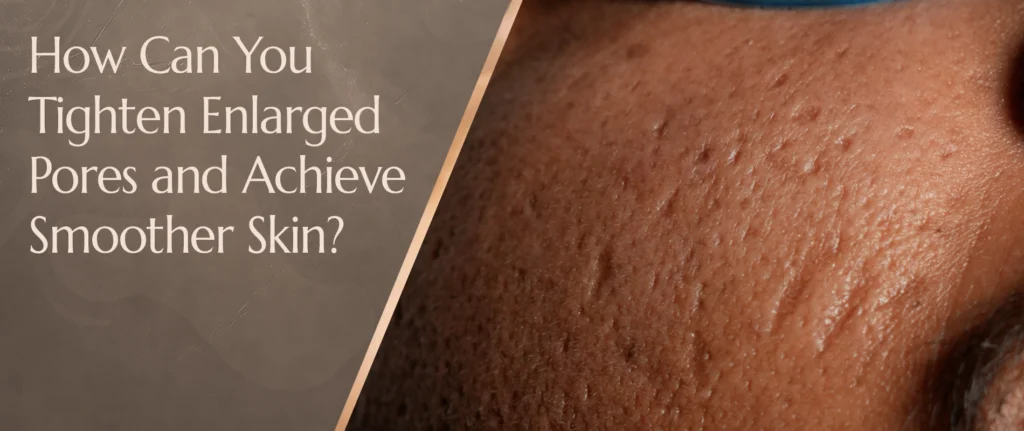
Enlarged pores can make the skin appear uneven, rough, or congested, particularly around the cheeks, nose, forehead, and chin. Although many people search for a pore shrinking treatment, pores are natural skin structures and cannot be completely removed or permanently closed. Their appearance can, however, become less noticeable when excess oil, congestion, collagen loss, and uneven texture are addressed correctly. Modern dermatology offers several options that can help improve enlarged pores on the face while supporting a smoother and more refined complexion. The best treatment for enlarged pores depends on why the pores are visible and whether they are associated with oily skin, ageing, acne scars, or sun damage. A professional skin assessment can help determine the most suitable approach for improving skin texture, firmness, and overall appearance.
What Are Enlarged Pores?
Facial pores are tiny openings in the skin connected to hair follicles and sebaceous glands, allowing natural oils to reach the skin surface. Their size differs from person to person, and some individuals naturally have more visible pores because of genetics or higher oil production. Pores may appear larger when they become filled with sebum, dead skin cells, makeup, or other debris. Reduced firmness around the pore can also make the opening appear wider without changing its basic structure. An effective pore treatment therefore focuses on both keeping follicles clear and improving the quality of surrounding skin. The goal is not to remove pores, but to create smaller-looking pores and a smoother, healthier-looking complexion.
What Causes Enlarged Pores?
Several factors can contribute to enlarged pores, and many people experience more than one cause at the same time. Genetics, excess sebum production, clogged follicles, aging, UV exposure, and declining collagen support can all make pores more visible. People with oily skin may require a different treatment for large pores than those whose pores are primarily linked to age-related loss of firmness. Previous acne and acne scarring can also create deeper or more noticeable pores, particularly across the cheeks. Understanding the underlying cause is essential before choosing a pore reduction treatment or resurfacing procedure. A dermatologist can assess these factors and recommend treatment according to skin type, texture, sensitivity, and individual goals.
Excess Oil and Sebum Production
Sebum is essential for maintaining natural skin lubrication, but excessive oil production can make pores look larger and more noticeable. When excess oil collects inside a follicle, the pore opening may appear wider, especially in oily areas of the face. Sebum can also mix with dead skin cells and debris, increasing congestion and creating blackheads. This is particularly common across the T-zone, including the nose, forehead, and chin. Managing congestion is therefore an important part of an effective open pores treatment when excess oil is the main concern. Professional treatments can help clear buildup while improving overall skin texture and clarity.
Genetics and Natural Pore Size
Genetics influence natural pore size, skin thickness, sebaceous gland activity, and the amount of oil the skin produces. Some people naturally have more noticeable pores even when they follow a consistent skincare routine and have healthy skin. This is why completely getting rid of large pores is not a realistic goal. Genetically larger pores can still appear more refined when congestion is reduced and the surrounding skin becomes smoother and firmer. A suitable big pores treatment should focus on improving visibility rather than promising permanent removal. Skin tone, oiliness, sensitivity, acne history, and overall texture should all be considered when choosing treatment.
Ageing and Loss of Skin Elasticity
As skin ages, natural levels of collagen and elastin gradually decline, reducing the structural support around individual pores. When the surrounding tissue becomes less firm, pores may appear stretched, elongated, or more visible. In this situation, cleansing alone may not provide enough improvement because collagen loss is also contributing to the concern. Treatments that encourage collagen stimulation can help improve firmness and support smoother-looking skin over time. This is why some patients benefit more from a pore tightening treatment than from treatments focused only on controlling oil. Age, skin laxity, previous sun exposure, and existing texture should all be evaluated before a treatment plan is created.
Sun Damage and Uneven Skin Texture
Repeated UV exposure can contribute to collagen breakdown, reduced elasticity, pigmentation, and rougher skin texture. When the supportive tissue around pores becomes weaker, enlarged facial pores can appear more noticeable. Sun-related damage can also create unevenness that changes the way light reflects from the surface of the skin. This can make pores, fine lines, and other textural irregularities appear more prominent. A treatment plan may therefore need to address both uneven skin texture and reduced firmness. Daily sun protection is also important for maintaining the results of professional skin rejuvenation and resurfacing procedures.
Clogged Pores and Acne
A combination of dead skin cells, excess sebum, makeup, sunscreen, and environmental debris can accumulate within follicles and create clogged pores. Blackheads and congestion can make pores look darker, deeper, and wider than the surrounding skin. Acne may further affect texture when inflammation leads to acne scars or small depressions in the skin. In these cases, the best facial treatment for large pores may need to address both congestion and surface irregularities. Professional assessment is particularly useful when enlarged pores appear together with active acne or previous acne scarring. Treating underlying acne may also be necessary before stronger resurfacing treatments are considered.
Why Do Pores Look Larger on the Nose, Cheeks, Forehead, and Chin?
Pores are often more noticeable in areas with higher concentrations of sebaceous glands, particularly across the centre of the face. The nose commonly develops visible pores, blackheads, or sebaceous filaments because natural oil production is higher in this area. The forehead and chin may show noticeable pores as part of an oily or congested T-zone. Big pores on cheeks can be associated with genetics, acne scars, sun exposure, or declining skin firmness. The location and type of pores on face can therefore help indicate what is contributing to their appearance. A dermatologist can use these differences to recommend a more targeted treatment for enlarged pores.
Can You Actually Shrink or Tighten Enlarged Pores?
Pores cannot be permanently opened, closed, erased, or removed because they are normal structures of the skin. Claims promising the best way to remove pores should therefore be viewed with realistic expectations. Their appearance can nevertheless improve when congestion is reduced and the surrounding tissue becomes firmer and smoother. Treatments that improve skin firmness, stimulate collagen, or resurface uneven texture may make pores appear tighter and less prominent. The purpose of a professional pore shrinking treatment is to reduce pore visibility rather than physically eliminate the follicle. Successful treatment can leave the complexion looking clearer, smoother, more even, and more refined.
What Should You Avoid If You Have Enlarged Pores?
Aggressive squeezing, repeated picking, and harsh physical scrubs can irritate the skin and potentially make uneven texture more noticeable. Overusing strong exfoliating products may also weaken the skin barrier, causing dryness, sensitivity, redness, or inflammation. People with oily skin sometimes attempt to remove all surface oil, but excessive stripping can leave the skin uncomfortable and unbalanced. Heavy or unsuitable skincare and makeup products may also contribute to pore congestion in acne-prone individuals. If you are considering a wide pores treatment, avoid experimenting with intensive procedures without first understanding your skin type. Professional guidance is especially important when visible pores occur alongside acne, pigmentation, sensitivity, or scarring.
What Are the Best Professional Treatments for Enlarged Pores?
There is no universal best treatment for big pores because different procedures target different causes of visible pores. Congested pores require a different approach from pores associated with acne scars, collagen loss, or significant skin laxity. Professional treatments may include facial procedures, chemical exfoliation, microneedling, radiofrequency microneedling, and laser resurfacing. Some treatments mainly reduce congestion, while others promote collagen remodeling or improve deeper textural irregularities. The ideal treatment for open pores on face by dermatologist should be selected after considering skin tone, sensitivity, texture, pigmentation risk, and medical history. Personalised treatment helps provide a better balance between expected improvement, recovery time, and individual aesthetic goals.
HydraFacial for Congested and Oily Skin
HydraFacial-type treatments can be useful when large pores are mainly related to excess oil, blackheads, or surface congestion. These treatments generally combine cleansing, exfoliation, extraction, and hydration to remove debris from the skin surface and pores. Clearing accumulated oil and dead cells may make clogged pores look cleaner and temporarily less noticeable. The skin may also feel smoother when dullness and congestion are reduced. However, a facial treatment cannot permanently change genetically determined pore structure or significantly correct deeper skin laxity. Patients with more substantial texture concerns may require collagen-stimulating or resurfacing treatments.
Chemical Peels for Smoother-Looking Skin
Chemical peels use controlled exfoliation to support skin renewal and improve selected forms of roughness and congestion. Depending on the formulation, a peel may help reduce dead-cell buildup around the pore opening and support a clearer complexion. Ingredients such as salicylic acid can be particularly useful for oily or acne-prone skin because they help address oil and pore congestion. Other acids may be selected when pigmentation, dullness, or uneven surface texture accompany enlarged pores. The depth and type of peel should always be matched to skin type and tolerance. Stronger treatment is not necessarily better, particularly for patients with sensitivity or a higher risk of pigmentation changes.
Microneedling for Enlarged Pores and Skin Texture
Microneedling for enlarged pores works by creating controlled micro-injuries that activate the skin’s natural repair response. This process can encourage collagen production and gradual tissue remodeling within the treated area. As firmness and texture improve, the skin surrounding visible pores may become smoother and better supported. Microneedling may also be useful when pore visibility occurs alongside acne scars, rough texture, or early skin laxity. Improvement is gradual because new collagen develops over time rather than immediately after the procedure. The number of sessions required depends on the severity of pores, existing scarring, skin condition, and individual response.
RF Microneedling for Collagen Stimulation
RF microneedling combines controlled microneedling with radiofrequency energy delivered into selected layers of the skin. This combination can promote collagen stimulation, texture refinement, and improved firmness when reduced structural support contributes to enlarged-looking pores. At Reveal Clinics, Secret RF may be considered for concerns involving uneven texture, acne scarring, pore appearance, and skin rejuvenation. The treatment can therefore be relevant when microneedling for enlarged pores needs to address deeper textural irregularities as well. Results generally develop progressively as the skin goes through its natural remodeling process. Treatment depth, energy settings, and session frequency should be selected according to the patient’s skin characteristics and clinical assessment.
Laser Treatments for Skin Resurfacing
Laser skin resurfacing can be considered when enlarged pores occur alongside acne scarring, sun damage, roughness, or more significant textural changes. Fraxel uses fractional technology designed to promote skin renewal and collagen production while treating controlled areas within the skin. This makes fractional resurfacing relevant when the goal is skin resurfacing for large pores together with improving uneven tone or residual acne marks. Patients with deeper textural concerns may also be assessed for the Ultra Pulse Fractional CO2 Laser, which provides a more intensive resurfacing approach. For patients seeking gradual rejuvenation with less downtime, Laser Genesis may be considered to support collagen and improve overall skin texture refinement. The best laser treatment for large pores ultimately depends on skin tone, scar depth, pigmentation tendency, treatment goals, and acceptable recovery time.
Which Treatment Is Best for Your Type of Enlarged Pores?
The best treatment for large pores on face depends on whether oil, congestion, acne scarring, sun damage, or reduced firmness is the main concern. Oily and congested skin may benefit from cleansing treatments or controlled chemical exfoliation before stronger collagen-focused procedures are considered. When collagen loss or acne scars contribute to pore visibility, microneedling, RF microneedling, or fractional resurfacing may be more appropriate. Patients with several concerns may require a staged treatment plan instead of relying on one pore tightening treatment. Skin tone and pigmentation tendency are particularly important when choosing energy-based or resurfacing procedures. A dermatologist can determine which treatment provides the most appropriate balance of effectiveness, safety, downtime, and expected results.
How Many Treatment Sessions Are Needed to Improve Enlarged Pores?
The number of sessions required for enlarged pores treatment varies because the underlying causes differ between patients. Congestion-related pore visibility may show improvement relatively quickly after professional cleansing or superficial resurfacing. Treatments that depend on collagen production, however, generally require more time because the skin remodels gradually over several weeks or months. Acne scars and deeper texture concerns may also require a planned series rather than a single session. Treatment strength, skin response, age, lifestyle, and maintenance can all influence the final outcome. A dermatologist can provide a realistic treatment schedule after assessing the severity and underlying cause of the pores.
How Can You Maintain Smoother Skin After Pore Treatments?
Maintaining smoother skin involves protecting the improvements achieved through professional treatment and avoiding unnecessary irritation. A dermatologist may recommend skincare suited to oiliness, sensitivity, acne tendency, or post-treatment recovery. Consistent sun protection is especially important because UV exposure can contribute to collagen breakdown and worsening skin texture. Appropriate skincare can also reduce congestion that makes follicles appear darker or more noticeable. Maintenance treatments may be recommended periodically depending on the original concern and procedure performed. Long-term care should focus on healthy, balanced skin rather than trying to achieve permanently invisible pores.
When Should You See a Dermatologist for Enlarged Pores?
Consider seeing a dermatologist for pores when visible pores are accompanied by persistent acne, scarring, inflammation, congestion, or significant texture changes. Professional assessment can also be useful when over-the-counter skincare has not produced the improvement you expected. A dermatologist can distinguish true enlarged pores from acne scars, blackheads, sebaceous filaments, and other textural concerns. This distinction matters because each problem may require a different treatment strategy. Consultation is particularly important before RF microneedling, laser resurfacing, or stronger chemical treatments. The goal should be a personalised pore reduction treatment based on your skin rather than a one-size-fits-all procedure.
Enlarged Pore Treatment in Riyadh
Patients considering enlarged pore treatment in Riyadh can benefit from a professional assessment of oil production, acne history, skin texture, firmness, and pigmentation tendency. Reveal Clinics provides dermatology and aesthetic treatments using different technologies that can be selected according to individual skin concerns. The appropriate treatment for enlarged pores may range from controlled skin renewal to collagen-stimulating or resurfacing procedures. Having different treatment options allows the dermatologist to focus on the actual cause of pore visibility instead of using the same procedure for everyone. Realistic expectations remain essential because even successful treatment improves pore appearance rather than permanently removing pores. A consultation at Reveal Clinics can help determine an appropriate pathway toward clearer, firmer, and more refined-looking skin.
Medically Reviewed by Dr. Saud Alobaida
Dr. Saud Alobaida is a dermatologist at Reveal Clinics in Riyadh with expertise in dermatology and aesthetic treatments. His areas of practice include Secret RF, Fraxel, Ultra Pulse Fractional CO2 Laser, microneedling, chemical peels, and Laser Genesis. His expertise is relevant to concerns such as enlarged pores, uneven texture, congestion, and reduced skin firmness.
Frequently Asked Questions About Enlarged Pores
Can Enlarged Pores Be Permanently Closed?
Enlarged pores are natural openings within the skin, so they cannot be permanently closed. However, their appearance can be reduced through treatments that address congestion, improve skin firmness, support collagen production, and refine overall skin texture.
Why Do Pores Look Larger With Age?
Age-related collagen and elastin loss can weaken the support around pores and make them appear wider or elongated. Collagen-stimulating treatments may therefore be considered when ageing and reduced firmness contribute to pore visibility.
Is Microneedling Effective for Enlarged Pores?
Microneedling for enlarged pores may help improve their appearance by stimulating the skin’s repair response and supporting collagen remodeling. It can be especially relevant when enlarged-looking pores occur with acne scarring, roughness, or early laxity.
Are Chemical Peels or Laser Treatments Better for Enlarged Pores?
Neither is universally better because chemical peels generally target surface congestion and renewal, while lasers may address deeper texture, scars, or collagen loss. The right pore treatment depends on skin type, the underlying cause, pigmentation risk, and acceptable downtime.
Can Enlarged Pores Come Back After Treatment?
Pores remain part of the skin, so their visibility can increase again as oil production, ageing, congestion, or UV exposure continues. Appropriate skincare and maintenance treatments can help preserve smoother skin and keep pores less noticeable.
Conclusion
Enlarged pores cannot be permanently erased, but understanding how to tighten enlarged pores can help improve their appearance when treatment addresses the correct underlying cause. Oil and congestion require a different approach from collagen loss, acne scars, sun damage, or age-related changes in firmness. Professional options such as chemical peels, microneedling, RF microneedling, and fractional laser resurfacing can support clearer and smoother-looking skin when appropriately selected. The best treatment for enlarged pores is therefore not always the strongest procedure, but the one best matched to the patient’s individual skin. Reveal Clinics in Riyadh offers several treatment technologies that allow dermatologists to create personalised pore tightening treatment plans. With realistic expectations, professional assessment, and appropriate maintenance, visible pores can become less prominent while overall skin texture appears smoother and more refined.