
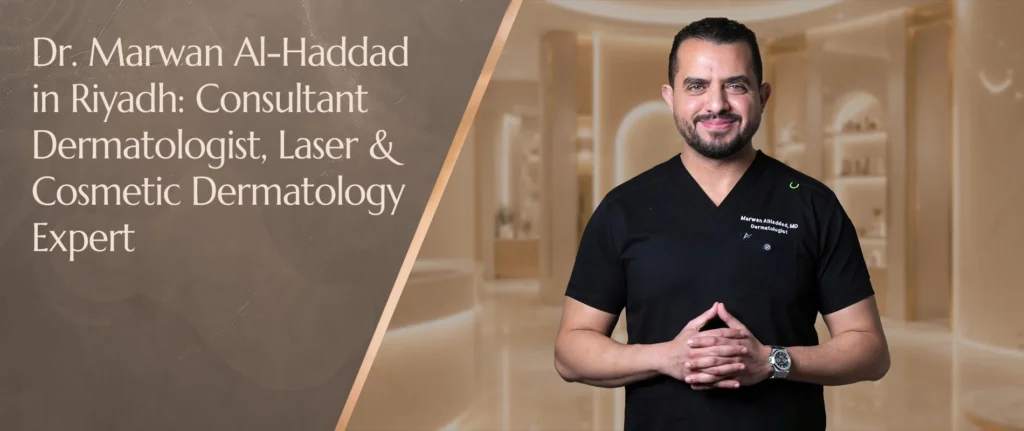
Finding the right consultant dermatologist Riyadh patients can trust often means looking for expertise across, cosmetic dermatology, and laser dermatology. Dr. Marwan Al-Haddad is an American Board-Certified Dermatologist with a professional background spanning Riyadh and the United States, including training at King Saud University, Mount Sinai, and Tufts Medical Center. At Reveal Clinics, he provides a patient-focused approach to skin health, cosmetic dermatology, laser treatments, aesthetic procedures, and dermatological assessment. Whether you are seeking care for acne scars, pigmentation, melasma, facial redness, signs of aging, skin texture concerns, hair loss, or other dermatology skin diseases, treatment begins with understanding the individual condition, skin type, medical history, and treatment goals.
Who Is Dr. Marwan Al-Haddad?
Dr. Marwan Al-Haddad is a Consultant Dermatologist whose expertise covers clinical dermatology, cosmetic and surgical dermatology, aesthetic medicine, and laser dermatology. His approach connects medical diagnosis with personalized aesthetic care, allowing patients to receive treatment based on their specific skin concern rather than a one-size-fits-all procedure. As a skin specialist, he evaluates factors such as skin type, pigmentation tendency, the severity of the condition, previous treatments, and expected recovery before developing an appropriate treatment plan.
Areas of Dermatology Expertise
Dr. Marwan Al-Haddad’s areas of expertise include cosmetic dermatology, laser and energy-based treatments, aesthetic procedures, skin rejuvenation, acne and acne scar management, pigmentation and melasma treatment, facial redness, chronic inflammatory skin conditions, hair and scalp concerns, and skin lesion assessment. This broad clinical background enables him to address both medical and cosmetic concerns while considering how skin health, skin type, treatment safety, and aesthetic outcomes relate to one another.
Where He Practices in Riyadh
Dr. Marwan Al-Haddad practices at Reveal Clinics in Riyadh, providing patients with access to a dermatology clinic in Riyadh that combines dermatological assessment with cosmetic and laser-based care. Patients looking for a skin clinic, skin doctor in Riyadh, dermatology consultants, or a center for skin & cosmetic dermatology can seek a professional evaluation for concerns ranging from persistent skin conditions to acne scars, pigmentation, skin aging, laser treatment, and aesthetic enhancement. The consultation focuses on identifying the primary concern and selecting suitable treatment options according to the patient’s individual needs.
From Riyadh to Mount Sinai: Dr. Marwan Al-Haddad's Medical Journey
Dr. Marwan Al-Haddad’s medical journey reflects training and experience across Saudi Arabia and the United States. His professional path includes medical education in Riyadh, advanced dermatology training at internationally recognized academic institutions, clinical leadership experience, research, and specialized exposure to cosmetic and laser dermatology. This combination supports his work as a dermatology consultant with experience in both the medical and aesthetic aspects of skin care.
Medical Degree from King Saud University in Riyadh
Dr. Marwan Al-Haddad began his medical education at King Saud University in Riyadh, building his foundation in medicine before pursuing advanced training in dermatology. His medical background in Saudi Arabia provides important local context when caring for patients with different skin concerns, including conditions affected by climate, sun exposure, pigmentation, and individual skin types dermatology specialists assess during treatment planning.
Dermatology Residency at Icahn School of Medicine at Mount Sinai
His professional development also includes a dermatology residency at the Icahn School of Medicine at Mount Sinai in New York. Dermatology residency provides structured clinical training in the assessment, diagnosis, and management of a wide range of skin, hair, and nail conditions while developing expertise across clinical dermatology and procedural care.
Chief Resident Experience at Mount Sinai Dermatology
Dr. Marwan Al-Haddad also gained leadership experience as a Chief Resident within Mount Sinai Dermatology. This role reflects advanced responsibility within a clinical training environment and complements his broader experience in patient assessment, dermatological care, clinical decision-making, and collaboration within an academic medical setting.
Dermatology Research Fellowship at Tufts Medical Center
His academic journey includes dermatology research experience at Tufts Medical Center, adding a research-based perspective to his clinical practice. Research experience is particularly valuable in modern dermatology because it encourages careful evaluation of treatments, emerging technologies, patient outcomes, and evidence when considering both medical and cosmetic dermatology procedures.
Cosmetic and Laser Dermatology Fellowship
Dr. Marwan Al-Haddad’s professional background also includes specialized training in cosmetic and laser dermatology. This area combines knowledge of skin anatomy, dermatologic procedures, laser technology, energy-based treatments, aesthetic assessment, and patient safety. For patients considering procedures for acne scars, pigmentation, skin texture, wrinkles, or other cosmetic concerns, this expertise supports a treatment approach based on the condition, the patient’s skin characteristics, and the appropriate technology or procedure.
Board Certification, Professional Memberships & Academic Affiliations
Professional credentials, academic training, and involvement in recognized dermatology organizations help establish the clinical and academic background of an American Board-Certified Dermatologist. Dr. Marwan Al-Haddad’s profile includes board certification, professional memberships, international dermatology training, and academic experience, supporting an approach grounded in continued professional development and evidence-based dermatological care.
American Board-Certified Dermatologist
As an American Board-Certified Dermatologist, Dr. Marwan Al-Haddad has completed advanced professional training in dermatology and developed expertise across medical, procedural, laser, and aesthetic aspects of the specialty. For patients seeking a dermatologist consultation, professional qualifications are an important part of evaluating a doctor’s background alongside their relevant experience and the suitability of their treatment approach.
American Academy of Dermatology Membership
Dr. Marwan Al-Haddad’s professional profile includes membership in the American Academy of Dermatology. Professional involvement in dermatology organizations connects physicians with ongoing developments in clinical practice, research, education and advances relevant to , cosmetic dermatology, and patient care.
American Society for Dermatologic Membership
His professional affiliations also include membership in an American dermatologic society, reflecting involvement in the broader professional community related to dermatologic procedures and specialized skin care. These affiliations complement his clinical training and experience across both medical and aesthetic dermatology.
American Society for Laser Medicine
Dr. Marwan Al-Haddad’s professional background also includes affiliation with an organization focused on laser medicine and surgery. This is relevant to laser dermatology, where appropriate technology selection, treatment parameters, skin type, pigmentation risk, expected outcomes, and aftercare all contribute to responsible treatment planning.
Academic and Faculty Experience at Mount Sinai
Academic and faculty experience at Mount Sinai adds another dimension to Dr. Marwan Al-Haddad’s professional profile. Academic dermatology involves clinical education, research, and ongoing engagement with evidence and emerging approaches to skin care, helping connect practical patient care with a structured understanding of dermatological science and treatment options.
What Does Dr. Marwan Al-Haddad Specialize in?
Dr. Marwan Al-Haddad specializes in a broad range of dermatological and aesthetic concerns, combining cosmetic dermatology, laser dermatology, dermatologic procedures, and aesthetic medicine. His approach allows patients to address the underlying skin condition while also considering concerns such as acne scarring, pigmentation, melasma, skin texture, signs of aging, and facial aesthetics through an individualized and evidence-based treatment plan.
Cosmetic Dermatology
Cosmetic dermatology focuses on improving skin appearance while respecting facial anatomy, skin health, and natural proportions. Treatment may address concerns such as wrinkles, volume loss, pigmentation, acne scars, enlarged pores, uneven texture, and other visible signs of skin aging through carefully selected non-surgical and minimally invasive procedures.
Laser Dermatology
Laser dermatology uses laser and light-based technology to address selected skin concerns, including pigmentation, acne scars, uneven texture, redness, and other indications for which a specific laser modality may be appropriate. Dr. Marwan Al-Haddad approaches laser treatment by considering the diagnosis, treatment area, skin type, pigmentation risk, and treatment goals instead of treating every concern with the same device or settings.
Skin Cancer Screening, and Biopsy
Skin lesion assessment and skin cancer screening form an important part of comprehensive dermatological care. A dermatologist consultation may include examination of a changing, unusual, or concerning skin lesion, with further assessment or biopsy considered when clinically appropriate to establish an accurate diagnosis and guide the next steps in care.
Skin Conditions Treated by Dr. Marwan Al-Haddad in Riyadh
As a consultant dermatologist Riyadh patients can consult for both medical and aesthetic concerns, Dr. Marwan Al-Haddad evaluates a wide range of conditions affecting the skin, scalp, and hair. Each condition requires its own assessment because the correct treatment depends on factors such as the diagnosis, severity, skin type, medical history, pigmentation tendency, and the patient’s individual treatment goals.
Acne and Acne Scarring
Acne can leave behind persistent marks, pigmentation changes, and different types of scars, including uneven or depressed scar patterns that affect skin texture. Treatment for active acne and acne scarring may involve a combination of dermatological care and procedures selected according to the type and severity of the concern, making professional assessment important for patients searching for the best acne scar removal, best acne scar removal treatment, best laser for acne scars, or best procedure for acne scars.
Pigmentation and Melasma
Pigmentation concerns can include dark spots, uneven skin tone, post-inflammatory pigmentation, and melasma. Dr. Marwan Al-Haddad evaluates the type and likely cause of pigmentation before recommending treatment, as different pigment conditions respond differently to topical care, procedures, and laser or light-based treatments, particularly when treating patients with pigmentation-prone skin.
Rosacea and Facial Redness
Facial redness can result from several dermatological and vascular concerns, and successful management begins with identifying the underlying cause. A detailed skin assessment can help distinguish persistent redness, rosacea-related changes, visible vessels, inflammation, or other conditions so that treatment can focus on the appropriate concern rather than simply masking the appearance.
Eczema and Dermatitis
Eczema and dermatitis can cause itching, dryness, irritation, redness, and recurrent inflammation. Clinical dermatology focuses on identifying possible triggers, evaluating the pattern and severity of symptoms, and developing a management plan that supports skin barrier health while addressing active inflammation and reducing the risk of repeated irritation.
Psoriasis
Psoriasis is a chronic inflammatory skin condition that can affect the appearance and comfort of the skin in different ways. Dermatological assessment helps determine the extent and pattern of the condition and allows treatment to be selected according to individual clinical needs, affected areas, previous treatment history, and disease severity.
Skin Lesions and Skin Cancer Screening
New, changing, or unusual skin lesions should receive professional assessment. Dr. Marwan Al-Haddad evaluates lesions as part of dermatological care and may recommend further investigation, including biopsy or other appropriate procedures, when necessary to clarify the diagnosis and guide treatment or monitoring.
Hair Loss and Scalp Conditions
Hair loss and scalp concerns can have multiple causes, which is why an accurate dermatological assessment is important before treatment begins. Evaluation may consider the pattern of hair loss, scalp condition, medical history, associated symptoms, and other contributing factors to help determine an appropriate plan for patients seeking care for hair loss and related scalp concerns.
Cosmetic Dermatology Treatments With Dr. Marwan Al-Haddad in Riyadh
Cosmetic dermatology combines medical knowledge of the skin with aesthetic assessment and carefully selected treatments. At Reveal Clinics, Dr. Marwan Al-Haddad develops treatment plans according to the patient’s facial features, skin condition, degree of concern, and desired outcome, with the goal of achieving balanced and natural-looking improvements rather than applying the same procedure to every patient.
Botox and Neuromodulator Treatments
Botox and other neuromodulator treatments can address selected dynamic lines and wrinkles by reducing targeted muscle activity. Patients looking for a botox clinic, botox doctor, or best botox doctor should focus on professional assessment, facial anatomy, appropriate treatment planning, and natural facial movement rather than choosing treatment based on a generic approach.
Dermal Fillers
Dermal fillers can be used to address selected areas of volume loss, support facial contouring, and enhance facial proportions when clinically appropriate. A dermal doctor evaluates facial structure, existing volume, skin quality, and the patient’s aesthetic goals before planning treatment, while patients seeking a dermal filler clinic should understand that product selection and injection technique depend on the specific treatment area.
Facial Volume Restoration and Contouring
Facial volume can change over time, affecting the appearance of contours and overall facial balance. Volume restoration and contouring treatments require careful aesthetic judgment because the treatment plan should consider the patient’s individual anatomy, proportions, existing facial features, and desired outcome rather than following a standardized injection pattern.
Skin Rejuvenation Treatments
Skin rejuvenation treatments aim to improve concerns such as uneven texture, dullness, fine lines, enlarged pores, and overall skin quality. A personalized plan may include selected laser, light-based, injectable, topical, or other dermatological treatments depending on the condition being treated, making professional evaluation valuable for patients searching for a skin rejuvenation clinic or a comprehensive approach to skin renewal.
Pigmentation and Skin Brightening Treatments
Pigmentation and skin-brightening treatments should begin with identifying the type and cause of discoloration. The best treatment for pigmentation on face depends on whether the concern involves melasma, post-inflammatory hyperpigmentation, sun-related spots, or another pigment condition, as treatment selection must consider the patient’s skin tone, melanin activity, sun exposure, and risk of further pigmentation changes.
Acne Scar and Skin Texture Treatments
Acne scars and uneven skin texture often require treatment based on the specific scar pattern rather than a single universal procedure. Depending on the assessment, treatment planning may consider laser resurfacing, fractional technology, other skin remodeling procedures, or combination approaches to improve texture while balancing expected results, recovery, and skin safety.
Non-Surgical Skin Tightening
Non-surgical skin tightening treatments use selected technologies to support skin remodeling and address concerns related to reduced firmness and skin laxity. The best skin tightening treatment varies according to the treatment area, degree of laxity, skin quality, and patient goals, so technology should be selected after a professional assessment rather than based solely on a device name or marketing claim.
Acne Scars, Skin Texture and Laser Resurfacing
Acne scars, enlarged pores, fine lines, and uneven skin texture can affect the surface and deeper structure of the skin. Laser skin resurfacing and other energy-based procedures may support skin remodeling for appropriately selected patients, but treatment should be based on the type of scar, skin characteristics, pigmentation risk, required treatment depth, and expected downtime.
Laser Treatment for Acne Scars
Laser treatment for acne scars can be considered for selected scar patterns and may help improve the appearance of uneven skin texture through controlled skin remodeling. The choice of treatment depends on whether scars are rolling, boxcar, ice-pick, or associated with other texture concerns, which is why patients seeking the best doctor treatment for acne scars benefit from an assessment that identifies the scar type before selecting a procedure.
Fractional Laser Resurfacing for Skin Texture
Fractional laser resurfacing treats selected areas of the skin in a controlled pattern and can be used as part of a plan for texture concerns, acne scarring, and visible signs of skin aging. The appropriate treatment depth and settings depend on the skin concern and individual patient factors, while recovery requirements may differ according to the intensity of treatment.
Treatment of Fine Lines and Uneven Skin Texture
Fine lines and uneven skin texture can develop because of several factors, including sun exposure, changes in collagen, previous acne, and the natural aging process. Treatment may involve resurfacing or other skin rejuvenation approaches selected according to the condition and the desired balance between improvement, downtime, and recovery.
How Laser Treatment Is Selected for Different Skin Types
Skin types dermatology specialists evaluate play an important role in laser treatment planning because melanin levels and pigmentation tendencies can influence treatment response and potential risks. Dr. Marwan Al-Haddad considers skin tone, pigment concerns, treatment indication, and the characteristics of the selected technology when determining appropriate laser parameters.
Recovery and Aftercare Following Laser Treatments
Recovery after laser treatment depends on the technology, treatment intensity, area treated, and individual skin response. Patients may experience temporary redness, sensitivity, dryness, or peeling, and appropriate aftercare, including sun protection and adherence to post-treatment instructions, supports the recovery process and helps reduce unnecessary irritation.
Pigmentation and Melasma Treatment in Riyadh
Pigmentation and melasma require careful evaluation because discoloration can have different causes and patterns. For patients seeking pigmentation treatment in Riyadh, Dr. Marwan Al-Haddad considers the type of pigmentation, skin tone, history of sun exposure, previous treatments, and individual pigmentation risk before developing a treatment strategy.
Common Causes of Facial Pigmentation
Facial pigmentation may develop in response to sun exposure, inflammation, acne, hormonal influences, and other factors that affect melanin production. Identifying the underlying pattern is important because not every dark spot represents the same dermatological condition, and treatment should address the cause as well as the visible pigmentation.
Melasma and Sun-Related Pigmentation
Melasma and sun-related pigmentation can be persistent and may require a long-term management approach. Treatment planning often considers the role of sun exposure, ongoing skin care, and selected dermatological procedures, while recognizing that some pigment conditions can recur and require continued management.
Laser and Light-Based Treatment Options
Laser and light-based treatments may be considered for selected pigmentation concerns, but the appropriate technology depends on the diagnosis and patient characteristics. A laser dermatologist evaluates the type of pigment, its location within the skin, skin tone, and pigmentation risk before considering whether a particular treatment is suitable.
Why Skin Type Matters When Treating Pigmentation
Skin type and melanin activity can influence how the skin responds to laser and light-based energy. For this reason, pigmentation treatment requires appropriate technology selection and individualized parameters to reduce unnecessary irritation and minimize the risk of post-treatment pigmentation changes.
Sun Protection During and After Treatment
Sun protection is an important part of managing pigmentation and maintaining dermatological treatment results. Regular use of appropriate sun protection and following the dermatologist’s skin care recommendations can help limit further UV-related pigmentation and support the skin during and after treatment.
Tattoo Removal in Riyadh With Dr. Marwan Al-Haddad
Tattoo removal in Riyadh requires an individualized approach because tattoo ink, color, depth, age, location, size, and the patient’s skin type can all influence treatment planning. As a certified laser tattoo removal specialist with expertise in laser dermatology, Dr. Marwan Al-Haddad evaluates these factors before recommending a suitable tattoo removal solution. The treatment plan considers the appropriate technology, laser wavelength, treatment settings, skin response, and recovery period between sessions for patients seeking a professional tattoo removal service.
How Laser Tattoo Removal Works
Laser tattoo removal uses controlled laser energy to target tattoo pigment within the skin. During the laser tattoo removal process, the energy breaks pigment particles into smaller fragments that the body can gradually process over time, which is why tattoo removal usually requires a series of treatment sessions rather than producing an immediate result.
Why Tattoo Removal Requires Individualized Laser Settings
Every tattoo has different characteristics, including its ink colors, density, depth, location, size, and previous treatment history. This is particularly important when planning large tattoo removal, as larger treatment areas may require a carefully structured approach and multiple sessions. Individualized settings help the dermatologist select an appropriate laser tattoo removal approach based on the tattoo and the patient’s skin characteristics instead of applying identical laser parameters to every case.
Pico Laser for Tattoo Removal
Pico laser tattoo removal uses very short energy pulses and may be considered for selected tattoo removal cases. The suitability of a particular laser depends on the tattoo’s characteristics and treatment objective, while Dr. Marwan Al-Haddad also considers skin type, pigment response, tattoo colors, and the potential need for multiple treatment sessions.
When Different Laser Wavelengths May Be Considered
Different tattoo pigments can respond differently to laser wavelengths, so treatment planning may require consideration of more than one wavelength depending on the colors present. A professional assessment at a laser tattoo removal clinic helps determine which technology and settings may be appropriate while considering the tattoo pigment, skin characteristics, and individual treatment goals.
How Many Tattoo Removal Sessions May Be Needed?
The number of tattoo removal sessions varies from one patient to another and depends on factors such as tattoo color, ink density, depth, size, location, age, and the body’s response to treatment. Large tattoo removal or tattoos with dense and deeply placed pigments may require additional treatment sessions. Dr. Marwan Al-Haddad discusses realistic expectations during the consultation and plans treatment intervals according to skin recovery and individual progress.
Tattoo Removal Recovery and Aftercare
The treated area may experience temporary redness, swelling, sensitivity, or other short-term skin changes after laser tattoo removal. Following the recommended aftercare, protecting the area from excessive sun exposure, and allowing adequate time between sessions can support normal recovery and help the dermatologist monitor the skin’s response throughout the laser tattoo removal process.
Can Every Tattoo Be Completely Removed?
Complete tattoo removal cannot be guaranteed because results vary according to the characteristics of the tattoo and the individual’s response to treatment. Some tattoos may fade significantly, while certain colors or deeply placed pigments can be more difficult to remove. An honest discussion of expected results, available treatment options, and the most suitable tattoo removal solution is therefore an important part of the dermatologist consultation.
What Makes Dr. Marwan Al-Haddad Different?
Dr. Marwan Al-Haddad combines international medical training, dermatology residency experience, academic leadership, research exposure, and expertise in cosmetic dermatology and laser dermatology. His professional background supports a treatment approach that begins with diagnosis and clinical assessment before moving to the selection of a procedure, device, or aesthetic treatment.
Training in Both Riyadh and the United States
Dr. Marwan Al-Haddad’s training connects his medical foundation in Riyadh with advanced dermatology experience in the United States. This international background provides experience across different clinical environments and supports his understanding of dermatology from both a medical and aesthetic perspective.
Mount Sinai Chief Resident Experience
His Chief Resident experience at Mount Sinai represents an important part of his clinical and academic development. Working in a leadership role within a dermatology training environment adds to his experience in clinical assessment, dermatological decision-making, education, and patient care.
Dermatology Research Experience at Tufts Medical Center
Research experience at Tufts Medical Center adds an evidence-focused dimension to Dr. Marwan Al-Haddad’s professional background. Research encourages careful consideration of clinical evidence, treatment outcomes, patient selection, and emerging approaches, all of which are relevant when evaluating modern dermatological and aesthetic treatments.
Surgical Precision and Aesthetic Judgment
Dermatological procedures require attention to skin anatomy, treatment areas, and the characteristics of the condition being treated. In aesthetic care, technical precision also works alongside aesthetic judgment to help create balanced treatment plans that respect the patient’s natural features and individual goals.
Evidence-Based and Personalized Treatment Planning
Dr. Marwan Al-Haddad emphasizes evidence-based treatment and personalized planning rather than selecting procedures based only on popularity or device availability. Treatment decisions can take into account the diagnosis, skin type, medical history, treatment indication, expected benefits, possible risks, downtime, and the patient’s expectations.
Dr. Marwan Al-Haddad's Approach to Dermatology and Aesthetic Care
Effective dermatological and aesthetic treatment starts with understanding the patient’s concern before selecting a solution. Dr. Marwan Al-Haddad follows a patient-centered approach that connects clinical assessment with individualized treatment planning, helping ensure that the condition, the patient’s skin characteristics, and the selected treatment remain appropriately aligned.
Diagnosis Before Treatment
A visible skin concern does not always reveal its underlying cause, which is why diagnosis should come before treatment selection. Dr. Marwan Al-Haddad assesses the condition and determines the primary concern before recommending medical care, cosmetic dermatology, laser treatment, or another appropriate procedure.
Understanding the Patient's Skin Type and Main Concern
The patient’s skin type, skin tone, pigmentation tendency, sensitivity, and main concern can all influence treatment planning. Understanding these characteristics helps determine whether a particular treatment is suitable and allows the plan to address the actual concern rather than applying a generic solution.
Selecting Treatment Based on the Condition, Not Just the Device
A laser or aesthetic device is a treatment tool, not a diagnosis. Dr. Marwan Al-Haddad selects technology according to the condition being treated, the required treatment depth, the patient’s skin characteristics, and the desired outcome, creating a clear relationship between the skin concern and the treatment approach.
Personalizing Laser and Energy-Based Treatment Settings
Laser and energy-based procedures require individualized treatment parameters. Settings may vary according to the treatment indication, skin type, treatment area, pigmentation risk, and the intensity required to address the concern while considering patient safety and recovery.
Balancing Results, Safety and Recovery
Every treatment plan involves balancing potential improvement with treatment intensity, recovery requirements, and individual risk factors. Dr. Marwan Al-Haddad discusses realistic expectations and considers factors such as downtime, temporary skin reactions, aftercare, and the patient’s ability to follow post-treatment instructions.
Combining Treatments When Clinically Appropriate
Some skin concerns involve more than one factor and may benefit from a combination approach when clinically appropriate. For example, a patient may require separate strategies for active acne, pigmentation, scar texture, or skin aging, with each treatment selected to address a specific part of the overall concern.
Maintaining Natural-Looking Aesthetic Results
Aesthetic treatment should complement the patient’s natural features rather than create a uniform appearance. Dr. Marwan Al-Haddad considers facial proportions, existing volume, skin quality, and individual goals when planning injectables and other aesthetic procedures with a focus on balanced, natural-looking results.
Dr. Marwan Al-Haddad's Research and Academic Contributions
Academic and research experience supports a thoughtful approach to dermatology and aesthetic medicine. Dr. Marwan Al-Haddad’s professional background includes dermatology research and academic experience, contributing to an approach that values clinical evidence, careful assessment, and ongoing understanding of dermatological and cosmetic treatment developments.
Dermatology and Cosmetic Dermatology Research
Dermatology research explores the diagnosis, treatment, and outcomes of a wide range of skin conditions and procedures. Research in cosmetic dermatology is particularly relevant to treatment selection because patient outcomes can vary according to technique, skin characteristics, treatment indication, and the methods used.
Research Into Facial and Neck Skin Laxity
Facial and neck skin laxity involve changes in skin quality, collagen, soft tissue, and overall anatomy. Research into these concerns contributes to the understanding of how different treatment approaches may address signs of aging and helps inform discussions around non-surgical skin tightening and other aesthetic treatment options.
Research Related to Facial Contouring and Dermal Fillers
Facial contouring and dermal filler treatments require an understanding of facial anatomy, volume distribution, and aesthetic balance. Research related to these procedures helps support continued evaluation of treatment techniques and outcomes while reinforcing the importance of individualized planning.
The Role of Evidence-Based Research in Cosmetic Dermatology
Evidence-based treatment combines clinical knowledge, available research, and individual patient considerations. In cosmetic dermatology, this approach helps move treatment planning beyond trends by considering whether a procedure is appropriate for the specific concern, the patient’s skin, and the desired treatment outcome.
Why Personalized Dermatology Treatment Matters in Riyadh
Personalized dermatology is especially important because patients can have different skin types, pigmentation tendencies, levels of sun exposure, medical histories, and treatment goals. In Riyadh, an individualized approach helps connect the patient’s specific skin concern with appropriate professional assessment, treatment selection, aftercare, and long-term skin care planning.
Riyadh's Strong Sun Exposure and Skin Pigmentation Concerns
Regular sun exposure can contribute to concerns such as sun-related pigmentation, uneven skin tone, and visible signs of skin aging. Patients in Riyadh may benefit from dermatological guidance that considers environmental exposure alongside their individual skin condition and emphasizes appropriate sun protection as part of treatment and prevention.
Skin Type and Individual Treatment Considerations
Different patients have different responses to medical, cosmetic, and laser treatments. Skin types dermatology professionals assess can influence the choice of treatment, particularly for procedures involving laser or energy, because melanin levels, pigmentation risk, and skin sensitivity may affect treatment planning.
The Importance of Professional Skin Assessment
A professional skin assessment helps identify the nature of the concern before treatment begins. For patients seeking a skin specialist, skin doctor, or dermatologist consultation, assessment can help distinguish between conditions that may appear similar while requiring different management strategies.
Choosing Treatment Based on the Skin Concern
The appropriate treatment depends on the concern being treated. Acne scars, melasma, wrinkles, redness, volume loss, and skin laxity each have different characteristics, which means the treatment plan should establish a clear connection between the diagnosis, the chosen procedure or technology, and the expected treatment goal.
Sun Protection Before and After Dermatology Treatments
Sun protection remains important before and after many dermatological procedures, particularly treatments for pigmentation and laser-based procedures. Following professional recommendations for sun avoidance and appropriate skin protection can help support recovery and reduce unnecessary UV exposure.
Reveal Clinics Riyadh
Reveal Clinics provides a setting for patients seeking comprehensive dermatological and aesthetic care in Riyadh. The clinic brings together medical assessment, cosmetic dermatology, aesthetic procedures, and technology-based treatments, allowing patients to discuss concerns and receive treatment recommendations based on individual needs.
Who Should Consider a Consultation With Dr. Marwan Al-Haddad?
Anyone experiencing persistent skin concerns or seeking expert guidance for medical or aesthetic treatments may consider a dermatologist consultation with Dr. Marwan Al-Haddad. Patients with acne, acne scars, pigmentation, melasma, facial redness, hair or scalp concerns, changing skin lesions, or other dermatology skin diseases can benefit from a professional assessment. A consultation is also suitable for individuals considering cosmetic dermatology, laser dermatology, skin rejuvenation, Botox, dermal fillers, tattoo removal, or non-surgical skin tightening, as it allows the treatment to be selected according to the individual’s skin type, condition, goals, and recovery requirements.
Patients With Persistent or Complex Skin Concerns
Anyone experiencing persistent skin concerns or seeking expert guidance for medical or aesthetic treatments may consider a dermatologist consultation with Dr. Marwan Al-Haddad. Patients with acne, acne scars, pigmentation, melasma, facial redness, hair or scalp concerns, changing skin lesions, or other dermatology skin diseases can benefit from a professional assessment. A consultation is also suitable for individuals considering cosmetic dermatology, laser dermatology, skin rejuvenation, Botox, dermal fillers, tattoo removal, or non-surgical skin tightening, as it allows the treatment to be selected according to the individual’s skin type, condition, goals, and recovery requirements.
Patients Seeking Acne Scar or Pigmentation Treatment
Patients looking for best acne scar removal, best acne scar removal treatment, or best treatment for pigmentation on face often benefit from an in-person assessment because the underlying concern can vary widely. Scar type, pigmentation depth, skin texture, skin tone, and previous treatments may all influence the available treatment options.
Patients Considering Laser or Cosmetic Dermatology
If you are considering laser dermatology, cosmetic dermatology, skin resurfacing, pigmentation treatment, tattoo removal, or other aesthetic procedures, a consultation can help determine whether the treatment is suitable for your skin and goals. It also provides an opportunity to discuss recovery, possible side effects, treatment sessions, and aftercare.
Patients Interested in Non-Surgical Skin Rejuvenation
Patients concerned about fine lines, uneven texture, loss of firmness, pigmentation, or early signs of skin aging can discuss skin rejuvenation treatments and best skin tightening treatment options with Dr. Marwan Al-Haddad. The most suitable approach depends on the concern being treated and the patient’s individual skin characteristics.
Patients Seeking a Personalized Dermatology Treatment Plan
A personalized plan may be useful for patients who have multiple concerns, previous unsuccessful treatments, or uncertainty about which procedure to choose. Dr. Marwan Al-Haddad can assess the skin concern, discuss suitable options, and explain how cosmetic treatments or laser procedures may fit into an individualized treatment strategy.
Related Dermatology Treatments and Further Reading
Patients searching for a skin doctor in Riyadh or a skin specialist may have different medical and aesthetic concerns that require specific treatment pathways. Depending on your needs, you may wish to explore related services such as acne treatment, acne scar treatment, pigmentation and melasma care, laser dermatology, skin rejuvenation, skin resurfacing, non-surgical skin tightening, Botox, dermal fillers, tattoo removal, hair and scalp treatments, and skin lesion assessment. Exploring these related topics can help you understand the available options before booking a dermatologist consultation.
Frequently Asked Question
What Type of Dermatologist Is Dr. Marwan Al-Haddad?
Dr. Marwan Al-Haddad is a Consultant Dermatologist with expertise across cosmetic dermatology, aesthetic medicine, laser dermatology, and dermatologic procedures. His approach combines clinical skin assessment with personalized treatment planning for both medical and aesthetic skin concerns.
What Skin Conditions Does Dr. Marwan Al-Haddad Treat?
Dr. Marwan Al-Haddad treats a broad range of dermatology skin diseases and cosmetic skin concerns, including acne, acne scars, pigmentation, melasma, rosacea, eczema, dermatitis, psoriasis, skin lesions, hair loss, and scalp conditions. Treatment begins with a dermatological assessment to identify the condition and determine the most appropriate care plan.
Does Dr. Marwan Al-Haddad Treat Acne and Acne Scars?
Yes, Dr. Marwan Al-Haddad evaluates both acne and acne scars. Depending on the type and severity of the concern, treatment may address active acne, post-acne pigmentation, scar texture, atrophic scars, and uneven skin texture using medical, cosmetic, or laser dermatology approaches.
Does He Treat Pigmentation and Melasma?
Yes, Dr. Marwan Al-Haddad provides assessment and treatment planning for pigmentation concerns, including melasma, dark spots, uneven skin tone, and sun-related pigmentation. The best treatment for pigmentation on the face depends on the underlying cause, skin type, pigmentation depth, and individual risk of post-treatment pigmentation changes.
Does Dr. Marwan Al-Haddad Offer Laser Treatments in Riyadh?
Yes, Dr. Marwan Al-Haddad offers laser dermatology and advanced laser-based treatment options in Riyadh. Laser treatment selection depends on the patient’s skin concern, skin type, treatment area, desired outcome, and other clinical considerations.
What Laser Treatments Are Available?
Available treatment options may include laser skin resurfacing, fractional laser, fractional CO₂ laser, PicoWay laser, Fraxel laser, and other laser or energy-based technologies depending on the clinical indication. During a consultation, the most suitable technology is selected based on the condition rather than simply choosing a device.
Does He Offer Botox and Dermal Fillers?
Yes, Dr. Marwan Al-Haddad provides Botox and dermal fillers as part of his cosmetic dermatology and aesthetic medicine services. Treatment planning considers facial anatomy, volume changes, skin quality, and the patient’s aesthetic goals to support balanced and natural-looking results.
Does Dr. Marwan Al-Haddad Perform Skin Cancer Screening?
Dr. Marwan Al-Haddad’s expertise includes the assessment of skin lesions and skin cancer screening. Patients with a changing, new, unusual, or concerning skin lesion should seek a professional dermatological examination to determine whether further evaluation, monitoring, or a biopsy is appropriate.
Does He Treat Hair Loss and Scalp Concerns?
Yes, hair loss and scalp conditions fall within the broader scope of dermatological care. A consultation can help identify potential factors contributing to hair or scalp concerns and determine whether further dermatological evaluation or a suitable treatment plan is needed.
Does He Offer Tattoo Removal in Riyadh?
Yes, tattoo removal in Riyadh may be performed using appropriate laser technology. The treatment plan depends on factors such as tattoo color, ink characteristics, depth, location, size, skin type, and the patient’s response to treatment, which means the number of sessions can vary.
What Happens During a Dermatology Consultation?
During a dermatologist consultation, Dr. Marwan Al-Haddad reviews the patient’s concern and relevant medical history, performs a dermatological examination when appropriate, and discusses suitable treatment options. The consultation may also cover expected outcomes, possible risks, recovery, aftercare, and the need for follow-up.
How Can I Book an Appointment With Dr. Marwan Al-Haddad?
You can book a consultation with Dr. Marwan Al-Haddad through Reveal Clinics Riyadh. Contact the clinic directly to confirm appointment availability and receive the latest information about consultation arrangements and services.
Book a Consultation With Dr. Marwan Al-Haddad at Reveal Clinics Riyadh
If you are looking for a Consultant Dermatologist in Riyadh with expertise in cosmetic dermatology, laser dermatology and aesthetic medicine, Dr. Marwan Al-Haddad offers a patient-focused approach built around clinical assessment and individualized treatment planning. Whether your concern involves acne scars, pigmentation, melasma, skin texture, facial aging, hair or scalp concerns, skin lesions, laser treatment in Riyadh, or cosmetic procedures, the first step is a professional evaluation of your skin and treatment goals.
Book a dermatologist consultation with Dr. Marwan Al-Haddad at Reveal Clinics Riyadh to discuss suitable treatment options, expected results, recovery, and aftercare. A personalized assessment can help determine the appropriate path for your specific skin concern while keeping skin type, safety, realistic expectations, and long-term skin health at the center of your treatment plan.