
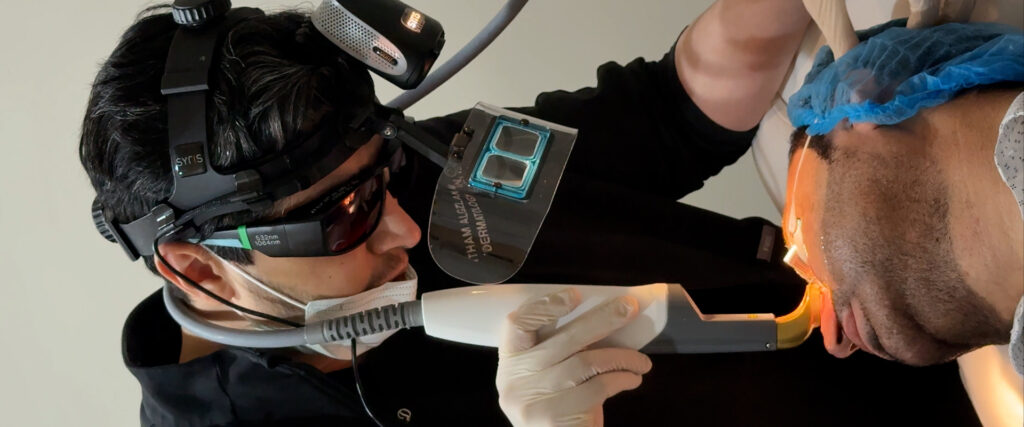
Visible blood vessels, persistent facial redness, and broken capillaries can affect the skin’s appearance and often become more noticeable over time. While these concerns are usually harmless, many people look for an effective solution that improves their complexion without surgery or lengthy recovery. This is where vascular laser treatment has become one of the most trusted options in modern dermatology.
Unlike creams that only reduce symptoms temporarily, blood vessel laser treatment targets the underlying blood vessels responsible for redness and vascular skin concerns. Using advanced laser energy, the treatment selectively treats unwanted vessels while protecting the surrounding healthy skin. It is widely used to improve vascular facial concerns, including spider veins, thread veins, rosacea, and vascular lesions.
For patients in Riyadh, vascular laser procedures are particularly beneficial because constant sun exposure, high temperatures, and the dry desert climate can worsen facial redness and make visible blood vessels more prominent. With the right technology and an experienced dermatologist, patients can achieve clearer, more even-looking skin with minimal downtime using advanced Excel V+, one of the leading technologies for treating vascular concerns and facial redness..
In this guide, you’ll learn how vascular laser therapy works, what conditions it can treat, who is a suitable candidate, and what to expect before, during, and after treatment.
What Is Vascular Laser Treatment?
Vascular laser treatment is a non-invasive procedure designed to reduce or eliminate visible blood vessels, redness, and other vascular skin concerns. It works by delivering precise laser energy into targeted blood vessels, causing them to gradually break down and be naturally absorbed by the body without damaging the surrounding tissue.
The treatment is commonly recommended for people with broken capillaries, thread veins, spider veins, vascular lesions, and redness caused by rosacea. Because the laser specifically targets the blood vessels beneath the skin, it can improve skin tone while preserving the surrounding healthy skin.
Modern vascular laser therapy is suitable for both cosmetic and medical concerns and is often included as part of comprehensive Energy – Based Devices offered for skin rejuvenation and vascular treatments.. Whether you’re looking for laser treatment for broken capillaries, reducing facial redness, or improving the appearance of small leg veins, the procedure offers a safe and effective solution when performed by an experienced dermatologist.
How Does Vascular Laser Treatment Work?
The effectiveness of vascular laser treatment lies in its ability to target abnormal blood vessels without harming the surrounding skin. Advanced laser systems emit concentrated light that is absorbed by hemoglobin, the pigment found inside red blood cells. This selective approach allows the treatment to focus only on unwanted vessels while leaving nearby tissue largely unaffected.
As the laser targets the affected area, the heat causes the walls of the abnormal blood vessels to collapse. Over the following weeks, the body naturally removes these treated vessels through its normal healing process. As circulation is redirected to healthier vessels, redness gradually fades and the skin appears clearer and more even.
Because healthy skin remains protected during the procedure, recovery is usually quick. This precision makes vascular laser technology one of the most reliable options for treating facial redness and other vascular concerns without surgery.
How Laser Energy Targets Blood Vessels
During treatment, carefully controlled pulses of laser energy pass through the skin and are absorbed by the unwanted blood vessels. Since hemoglobin absorbs this light more effectively than the surrounding tissue, the laser can treat the targeted vessel with remarkable accuracy.
This selective process makes laser for broken capillaries and laser for vascular lesions highly effective for improving redness while minimizing damage to healthy skin. Most patients experience only mild warmth during the procedure, making treatment comfortable for the majority of individuals.
What Happens to the Treated Blood Vessels?
After treatment, the damaged vessel gradually closes and is naturally broken down by the body’s immune system. Over the next several weeks, the appearance of broken blood vessels, redness, and vascular lesions continues to improve as the treated vessels disappear.
Results develop gradually rather than overnight, allowing the skin to heal naturally while producing a smoother and more balanced complexion.
What Conditions Can Vascular Laser Treatment Treat?
One of the biggest advantages of vascular laser treatment is its ability to treat several different vascular skin conditions using the same technology. Although every condition has its own characteristics, they all involve abnormal or enlarged blood vessels that can often be improved with targeted laser therapy.
Spider Veins
Spider veins are thin, visible red, blue, or purple veins that commonly appear on the face and legs. While they rarely cause medical problems, many people choose treatment for cosmetic reasons. Laser therapy helps collapse these small vessels, reducing their visibility and creating a more even skin tone.
Broken Capillaries
Broken capillaries are tiny dilated blood vessels that often develop around the nose and cheeks due to aging, sun damage, genetics, or repeated facial flushing. Laser treatment for broken capillaries is considered one of the most effective options because it directly targets the affected vessels rather than simply covering them with skincare products.
Patients searching for a burst capillaries face treatment, broken capillaries face laser treatment, or even a long-term cure for broken capillaries on face often benefit from professional laser procedures that significantly reduce their appearance.
Thread Veins
Thread veins are another common vascular concern that appears as fine red or purple lines beneath the skin. These small vessels frequently develop on the cheeks, around the nose, and occasionally on the legs. Laser for thread veins offers a precise treatment option that improves skin clarity without the need for injections or surgery.
Rosacea and Facial Redness
Persistent redness caused by rosacea is one of the most common reasons patients seek vascular laser therapy. While skincare products can help calm inflammation, they cannot remove enlarged blood vessels that contribute to chronic redness.
Advanced systems such as Excel V+ are specifically designed to target these vessels, helping reduce flushing, facial redness, and visible capillaries while improving overall skin tone. When combined with an individualized skincare plan, laser treatment can play an important role in long-term rosacea management.
Cherry Angiomas and Other Vascular Lesions
Cherry angiomas, spider angiomas, and other vascular lesions are benign collections of blood vessels that appear as bright red spots on the skin. Although harmless, many patients choose laser treatment vascular lesions to improve their appearance. The laser precisely targets these lesions, allowing them to fade with minimal disruption to the surrounding skin.
Leg Veins
Small visible veins on the legs can also be treated using blood vessel laser treatment, particularly when they are too fine for injection therapy. Depending on the size and depth of the veins, your dermatologist will determine whether vascular laser treatment or another vein treatment is the most appropriate option.
What Are the Benefits of Vascular Laser Treatment?
One of the main reasons vascular laser treatment has become so popular is that it delivers noticeable results without surgery or lengthy recovery. The treatment is precise, minimally invasive, and suitable for many common vascular skin concerns, allowing patients to return to most daily activities shortly after their appointment.
Beyond improving visible blood vessels, the procedure also helps create a clearer and more even complexion by reducing persistent redness and discoloration. Many patients notice gradual improvements in overall skin appearance as the treated vessels are naturally absorbed by the body. When performed by an experienced dermatologist using advanced laser technology and modern Aesthetics treatments, vascular laser therapy offers reliable, natural-looking results with a high level of safety.
Who Is a Good Candidate for Vascular Laser Treatment?
Vascular laser treatment is suitable for adults who want to improve broken capillaries, thread veins, spider veins, vascular lesions, or ongoing facial redness. It is particularly beneficial for people whose symptoms have not improved with topical skincare alone and who are looking for a non-surgical solution.
Before treatment, your dermatologist will perform a detailed skin assessment to evaluate your skin type, medical history, and the nature of your vascular concern. This consultation helps determine whether laser therapy is the most suitable option and allows a personalized treatment plan to be created.
Who Should Avoid Vascular Laser Treatment?
Although vascular laser therapy is considered safe for most people, it may not be recommended during pregnancy, for individuals with active skin infections, recently tanned skin, or certain medical conditions that affect healing. A professional consultation is essential to ensure the treatment is both safe and effective for your individual needs.
What Happens During a Vascular Laser Treatment Procedure?
A vascular laser treatment session usually begins with cleansing the treatment area and assessing the visible blood vessels. Protective eyewear is provided before the laser is applied in a series of precise pulses to the targeted vessels. Most patients describe the sensation as a mild snapping or warming feeling that is generally well tolerated without the need for anesthesia.
The length of the procedure depends on the size of the treatment area, but most sessions are completed within 20 to 45 minutes. Once the treatment is finished, you can usually return home immediately with simple aftercare instructions to support healing and achieve the best possible results.
What Should You Expect After Vascular Laser Treatment?
Most patients can return to their normal routine immediately after vascular laser treatment, making it a convenient option for those with busy schedules. It is normal to experience mild redness, slight swelling, or a warm sensation in the treated area, but these effects usually improve within a few hours or days.
The treated blood vessels do not disappear instantly. Instead, the body gradually breaks them down and absorbs them over the following weeks. As healing progresses, facial redness, broken capillaries, and other vascular lesions become less noticeable, revealing a clearer and more even complexion.
Recovery Timeline
Recovery is generally quick, and most people notice gradual improvements after each session. Smaller broken capillaries may begin fading within a few weeks, while larger or deeper vascular lesions often require additional time. Final treatment results are usually visible several weeks after the last recommended session.
Aftercare Tips
Proper aftercare plays an important role in achieving the best outcome. Protecting your skin from direct sun exposure, applying a broad-spectrum sunscreen, and following your dermatologist’s skincare recommendations can support healing. Avoid hot showers, saunas, strenuous exercise, and harsh skincare products for the first day or two, as these may temporarily increase redness.
Possible Side Effects
Vascular laser treatment is considered a safe procedure when performed by a qualified dermatologist. Mild redness, swelling, or temporary sensitivity are the most common side effects and usually resolve quickly. Serious complications are uncommon, especially when patients follow the recommended aftercare instructions.
How Many Vascular Laser Treatment Sessions Are Needed?
The number of vascular laser sessions depends on the type, size, and location of the blood vessels being treated. While some patients notice visible improvement after a single session, others require multiple treatments to achieve the best cosmetic result.
Conditions such as spider veins, thread veins, and laser treatment for broken capillaries often respond well within two to four sessions. More extensive vascular lesions or long-standing facial redness associated with rosacea may require additional appointments spaced several weeks apart to allow the skin to heal between treatments.
Factors That Affect Treatment Results
Several factors influence the outcome of vascular laser therapy, including the severity of the condition, skin type, lifestyle habits, and how well aftercare instructions are followed. Ongoing sun exposure, smoking, and untreated rosacea can increase the likelihood of new visible blood vessels developing over time.
Maintaining a healthy skincare routine and attending follow-up appointments when recommended can help prolong results. Patients who protect their skin from UV damage and manage underlying triggers often enjoy clearer skin for much longer
Frequently Asked Questions (FAQ)
Does Vascular Laser Treatment Hurt?
Most patients experience only mild discomfort during vascular laser treatment. The sensation is often described as a quick snap or brief feeling of warmth, and the procedure is generally well tolerated without anesthesia.
Is Vascular Laser Treatment Safe?
Yes. Vascular laser therapy is considered safe when performed by an experienced dermatologist using approved laser technology. A consultation helps ensure the treatment is suitable for your skin type and condition.
How Long Do the Results Last?
The treated blood vessels are permanently removed by the body, but new vessels can develop over time due to aging, genetics, sun exposure, or underlying conditions. Maintaining good skincare habits can help preserve your results.
Is There Any Downtime?
There is very little downtime after blood vessel laser treatment. Most people return to work and normal daily activities the same day, although temporary redness or mild swelling may occur.
Can Vascular Laser Treatment Be Combined With Other Skin Treatments?
Yes. Depending on your skin concerns, vascular laser treatment can often be combined with procedures such as Fractional CO2 Laser, Laser Genesis, or other skin rejuvenation therapies. Your dermatologist will recommend the safest treatment plan based on your skin goals.
Conclusion
Vascular laser treatment is an advanced, non-invasive solution for reducing broken capillaries, spider veins, thread veins, vascular lesions, and persistent facial redness. By using targeted laser energy to treat unwanted blood vessels, the procedure improves skin clarity while protecting the surrounding healthy tissue, making it one of the most effective options for treating a wide range of vascular skin concerns.
If you’re considering laser treatment for broken capillaries, blood vessel laser treatment, or laser for vascular lesions, a professional consultation is the first step toward achieving the best results. At Reveal Clinic, experienced dermatologists create personalized treatment plans using advanced technologies such as Excel V+ and other Energy – Based Devices to help patients achieve clearer, healthier-looking skin with minimal downtime. Whether your concern is rosacea, visible facial vessels, or other vascular conditions, the right treatment can restore your confidence and support long-term skin health.