
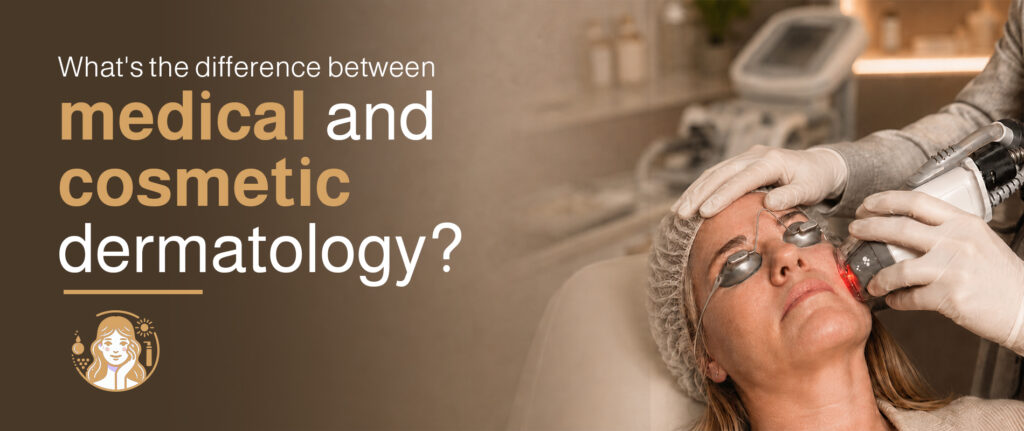
Your skin is your body’s largest organ, and keeping it healthy involves more than just looking good. While some people visit a dermatologist to treat conditions like acne, eczema, or psoriasis, others seek treatment to reduce wrinkles, improve skin texture, or achieve a more youthful appearance. This is where understanding the difference between medical dermatology and cosmetic dermatology becomes important.
Although both specialties focus on the skin, they have different goals. Medical dermatology is dedicated to diagnosing and treating skin diseases, hair, and nail disorders, while cosmetic dermatology focuses on improving the appearance of the skin through non-surgical and minimally invasive treatments.
Knowing the difference between medical and cosmetic dermatology can help you choose the right treatment for your needs. Whether you’re managing a chronic skin condition or looking for advanced skin rejuvenation, this guide explains what each specialty offers and when you should see a board-certified dermatologist in Riyadh.
What Is Medical Dermatology?
Medical dermatology focuses on diagnosing, treating, and preventing conditions that affect the skin, hair, and nails. Unlike cosmetic treatments, its main goal is to improve your overall skin health by managing medical conditions that can impact your comfort, confidence, and quality of life.
A board-certified dermatologist begins with a thorough skin examination to identify the underlying cause of your symptoms. Based on the diagnosis, they create a personalized treatment plan using evidence-based therapies to control the condition, relieve symptoms, and prevent future complications.
Common Skin Conditions Treated
A medical dermatologist treats a wide range of skin conditions, from common concerns to more complex diseases. These include acne, eczema, psoriasis, rosacea, dermatitis, vitiligo, hives, fungal infections, bacterial skin infections, and autoimmune skin disorders. Medical dermatology also covers hair loss, nail diseases, and scalp conditions, with specialized care such as Advanced Hair & Scalp and personalized Hair Treatments when needed.
Another important part of medical dermatology is skin cancer screening. Dermatologists diagnose and treat conditions such as melanoma, basal cell carcinoma, and actinic keratosis, helping detect suspicious lesions early when treatment is most effective.
Common Medical Dermatology Procedures
Treatment depends on your diagnosis and the severity of the condition. Some patients improve with topical medications or oral medications, while others may need cryotherapy, phototherapy, biologic therapy, or minor surgical procedures such as a skin biopsy.
The goal of these medical dermatology treatments is not to improve appearance but to restore healthy skin, control disease, and improve your overall well-being.
What Is Cosmetic Dermatology?
Modern cosmetic dermatology combines medical expertise with advanced technology to deliver natural-looking results. Every treatment begins with a consultation, allowing your dermatologist to recommend procedures based on your skin type, concerns, and aesthetic goals.
Common Cosmetic Skin Concerns
People choose cosmetic dermatology to treat concerns such as fine lines, wrinkles, acne scars, hyperpigmentation, uneven skin tone, enlarged pores, sun damage, and skin laxity. Other common concerns include facial volume loss, age spots, and dull skin that lacks brightness.
Although these concerns are not usually medical conditions, improving your skin’s appearance can boost confidence and help you feel more comfortable in your own skin.
Popular Cosmetic Dermatology Treatments
Today’s cosmetic dermatology procedures offer effective results with little or no downtime. Popular treatments include Botox, Dermal Fillers, Chemical Peel, Microneedling, PRP Therapy, and advanced Laser Treatment options.
Depending on your skin concerns, your dermatologist may recommend Laser Genesis for redness, M22 IPL (Intense Pulsed Light) for pigmentation and sun damage, Fraxel or Ultra Pulse Fractional CO2 Laser for acne scars and skin resurfacing, or Picoway for stubborn pigmentation. For skin tightening and facial rejuvenation, treatments such as Secret RF, Ultherapy, and XERF Skin Tightening in Riyadh can be combined to create a personalized treatment plan with natural-looking results.
Purpose of Treatment
The main goal of medical dermatology is to diagnose, treat, and prevent skin, hair, and nail conditions that affect your health. In contrast, cosmetic dermatology focuses on enhancing skin appearance, reducing signs of aging, and improving overall facial aesthetics through non-surgical treatments.
Types of Skin Concerns
A medical dermatologist treats conditions such as acne, eczema, psoriasis, rosacea, skin cancer, infections, and hair or nail disorders. A cosmetic dermatologist treats concerns like wrinkles, acne scars, pigmentation, uneven skin tone, enlarged pores, skin laxity, and facial volume loss.
Treatment Methods
Medical treatments often include prescription medications, skin biopsy, cryotherapy, and phototherapy to control disease and improve skin health. Cosmetic treatments use procedures such as Botox, Dermal Fillers, Chemical Peel, Microneedling, PRP Therapy, and advanced Laser Treatment to rejuvenate the skin and improve facial appearance.
Expected Results
The goal of medical dermatology treatments is healthier skin by controlling disease and preventing complications. Cosmetic dermatology treatments aim to improve skin texture, restore a youthful appearance, and enhance facial balance with natural-looking results.
Recovery Time
Recovery varies depending on the treatment. Many medical dermatology procedures require little downtime, while cosmetic treatments are usually minimally invasive, allowing most patients to return to their daily routine quickly.
Insurance Coverage in Saudi Arabia
In Saudi Arabia, treatments that are medically necessary such as those for skin cancer, severe acne, or chronic skin diseases may be covered by health insurance, depending on your policy. However, elective cosmetic dermatology procedures performed only to improve appearance are generally not covered.
| Feature | Medical Dermatology | Cosmetic Dermatology |
|---|---|---|
Primary Goal |
Diagnose and treat skin diseases |
Improve skin appearance and aesthetics |
Treats |
Acne, eczema, psoriasis, rosacea, skin cancer, hair and nail disorders |
Wrinkles, pigmentation, acne scars, volume loss, skin laxity |
Common Treatments |
Prescription medications, skin biopsy, cryotherapy, phototherapy |
Botox, Dermal Fillers, Laser Treatment, Microneedling, Chemical Peel, PRP Therapy |
Main Focus |
Health and disease management |
Skin rejuvenation and cosmetic enhancement |
Insurance |
Often covered if medically necessary |
Usually considered elective and not covered |
Can Medical and Cosmetic Dermatology Be Combined?
Yes. In many cases, the best results come from combining medical and cosmetic dermatology. For example, active acne should first be treated medically before procedures are performed to improve acne scars or pigmentation. Likewise, controlling rosacea before cosmetic treatment helps reduce redness and improve long-term results.
A personalized treatment plan allows your dermatologist to improve both skin health and appearance safely. Combining medical care with advanced aesthetic procedures often provides more natural and longer-lasting outcomes.
How to Know Which Type of Dermatology Treatment You Need
The right choice depends on your skin concern. If you have persistent acne, rashes, itching, hair loss, suspicious moles, or chronic conditions such as eczema, psoriasis, or rosacea, you should see a medical dermatologist.
If your goal is smoother skin, wrinkle reduction, improved pigmentation, or facial rejuvenation, cosmetic dermatology is the better option. During your consultation, a dermatologist will examine your skin and recommend the most suitable treatment plan based on your needs.
Choosing the Right Dermatologist in Riyadh
Choosing an experienced board-certified dermatologist is one of the most important steps in achieving healthy skin. Look for a clinic that offers both medical dermatology and cosmetic dermatology, so you can receive complete care in one place if your needs change over time.
A good dermatologist will take time to understand your concerns, explain your treatment options, and create a personalized plan instead of recommending unnecessary procedures. Clinics equipped with modern technology and evidence-based treatments often provide safer procedures and better long-term results.
Why Choose Reveal Clinics for Medical and Cosmetic Dermatology in Riyadh
At Reveal Clinics, we provide comprehensive medical and cosmetic dermatology services tailored to every patient’s skin goals. Whether you need treatment for acne, rosacea, hair loss, pigmentation, or signs of aging, our experienced dermatologists develop personalized treatment plans using the latest technology.
Our clinic offers advanced treatments including Laser Genesis, M22 IPL (Intense Pulsed Light), Fraxel, Ultra Pulse Fractional CO2 Laser, Picoway, Secret RF, Ultherapy, and XERF Skin Tightening in Riyadh. We also use modern Energy Based Devices to treat pigmentation, acne scars, vascular concerns, skin laxity, and overall skin rejuvenation, helping patients achieve healthier, more confident-looking skin.
Frequently Asked Questions (FAQ)
Is acne considered medical or cosmetic dermatology?
Active acne is treated under medical dermatology because it is a skin condition. Once acne is controlled, cosmetic treatments may be used to improve acne scars or pigmentation.
What are the risks of cosmetic dermatology?
Most cosmetic dermatology procedures are safe when performed by a qualified dermatologist. Temporary redness, swelling, or mild bruising are the most common side effects.
Is cosmetic dermatology the same as medical dermatology?
No. Medical dermatology focuses on diagnosing and treating skin diseases, while cosmetic dermatology is designed to improve the appearance of healthy skin through aesthetic procedures.
Which skin conditions require medical dermatology?
Conditions such as eczema, psoriasis, rosacea, skin cancer, vitiligo, infections, and chronic dermatitis require evaluation and treatment by a medical dermatologist.
Are cosmetic dermatology treatments safe?
Yes. Treatments like Botox, Dermal Fillers, Laser Therapy, and Microneedling are generally safe when performed by experienced specialists in dermatology and cosmetic medicine.
Can one dermatologist provide both medical and cosmetic treatments?
Yes. Many board-certified dermatologists are trained in both medical dermatology and cosmetic dermatology, allowing them to treat skin diseases while also offering aesthetic procedures.
Does insurance cover cosmetic dermatology in Saudi Arabia?
In most cases, cosmetic procedures are considered elective and are not covered by health insurance. Medically necessary dermatological treatments may be covered depending on your insurance policy.
Which type of dermatology is right for me?
If your concern affects your skin’s health or causes ongoing symptoms, you likely need medical dermatology. If your goal is to improve appearance or reduce signs of aging, cosmetic dermatology is usually the better choice. A consultation with a dermatologist can help determine the most suitable treatment plan.
Conclusion
Understanding the difference between medical and cosmetic dermatology helps you choose the right care for your skin. Medical dermatology focuses on diagnosing and treating skin diseases, while cosmetic dermatology enhances skin appearance through advanced, minimally invasive treatments. Both specialties are equally important and often work together to achieve healthier, more confident-looking skin.
At Reveal Clinics, our experienced dermatologists provide personalized care for both medical and cosmetic concerns using advanced technologies and evidence-based treatments. Whether you need treatment for a chronic skin condition or want to improve your skin with modern Aesthetics procedures, we’re here to help you achieve healthy, beautiful skin with results that look natural.